Meaning
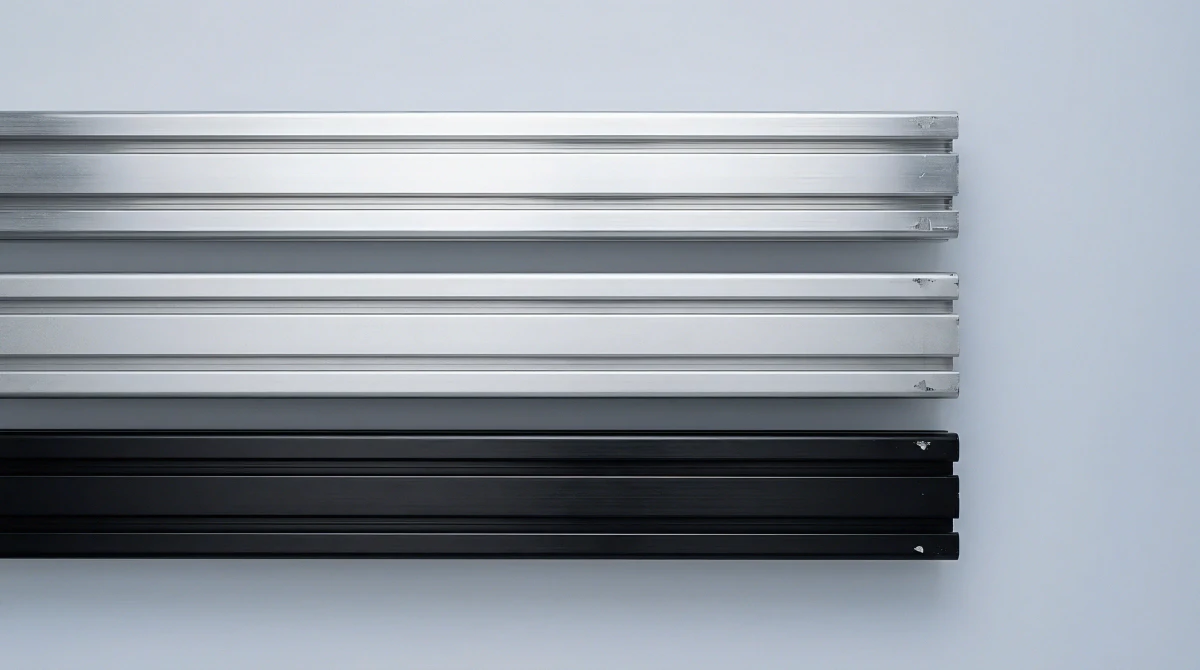
Gloss is the specular reflectance of a finished surface, read on a gloss meter at a stated angle, usually 60°, against the maker’s value.Coating Tolerances
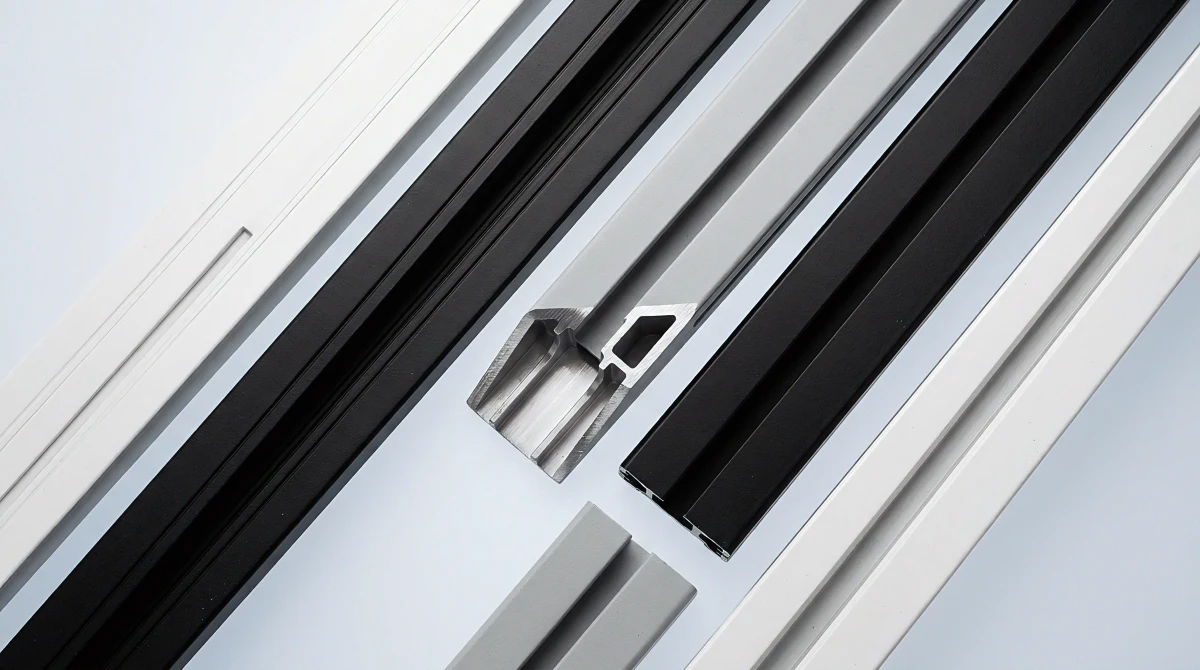
AAMA allows ±5 units of the coating maker’s specification on a 60° meter to ASTM D523, and the AAMA 605-98 text gave reference bands of 80 and over for high gloss, 20 to 79 for medium and 19 or less for low. The PCI comparison shows Qualicoat measuring to ISO 2813 with a tolerance that widens with gloss level: ±5 units from 0 to 30, ±7 from 31 to 70 and ±10 from 71 to 100.Read More
Gloss After Weathering
Gloss retention is a weathering criterion. The PCI chart lists 50 % retention after Florida exposure for Qualicoat Class 1, a declining scale for Class 2, and 80 %, 55 % and 50 % in the third, seventh and tenth years for Class 3. For AAMA it lists 30 % retention for 2604 and 50 % for 2605. Qualicoat’s xenon arc test of 1,000 h requires 50 % retention for Class 1 and 90 % for Class 2.Anodized Gloss
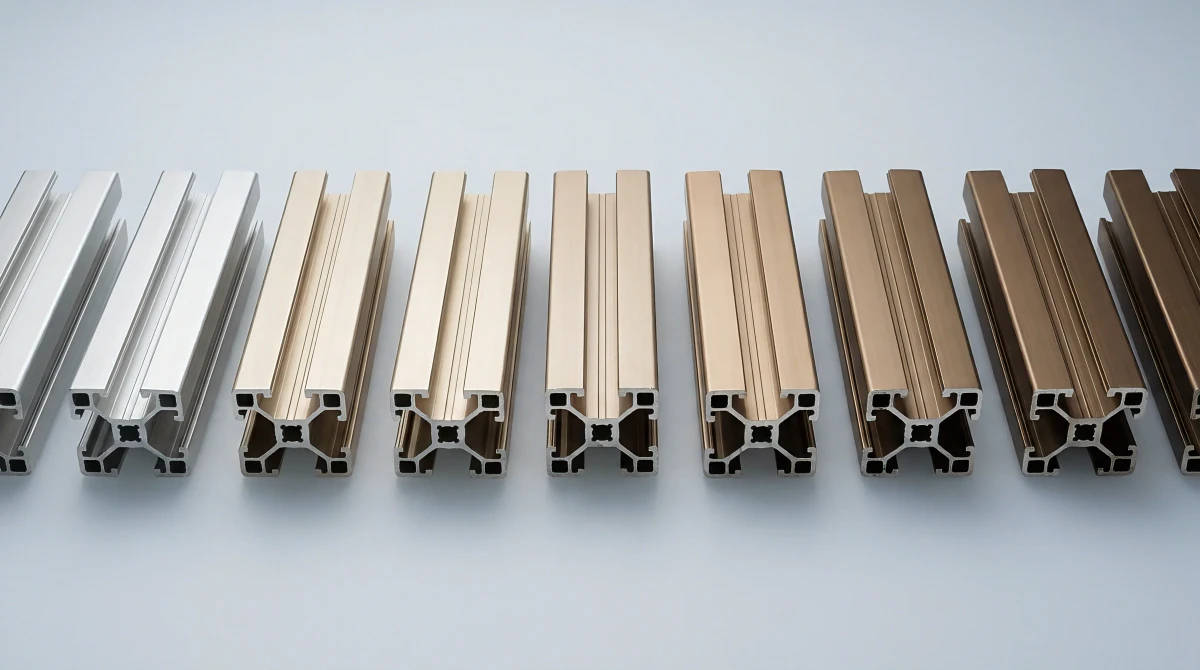
Hydro states that thicker oxide layers reduce gloss and that the appearance of an anodized surface changes with viewing angle because the oxide is transparent. Bright etching or chemical brightening gives a near-mirror finish before anodizing.Approval
The Aluminum Anodizers Council recommends measuring gloss together with color and lightness against an approved standard.Faults That Change Gloss
Etch faults alter gloss before any coating is applied. A KFUPM study names a dull, grainy finish from too long in the caustic tank, and an Auckland thesis found glossy streaks near the surface and dull bands deeper down in the streaking it examined.