Lead Time

Lead time is the calendar from approved drawings to delivered profile, made up of die making, sample approval, production and finishing.

Every Lead Time article of the Profile Extrusion Resources, newest first, each written from published standards, research and makers’ data.

Meaning

Lead time is the calendar from approved drawings to delivered profile, made up of die making, sample approval, production and finishing. Published figures for each block come from suppliers’ own pages. They describe plants that sell in volume, so a small run reads them as lower bounds.

Die Weeks

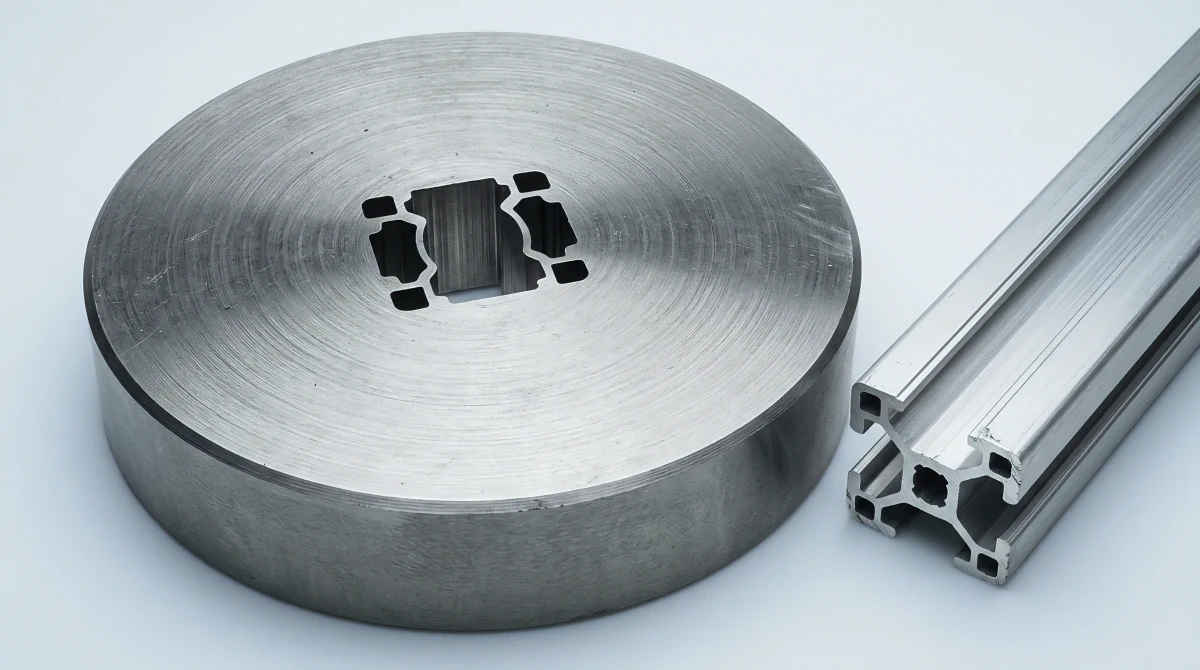
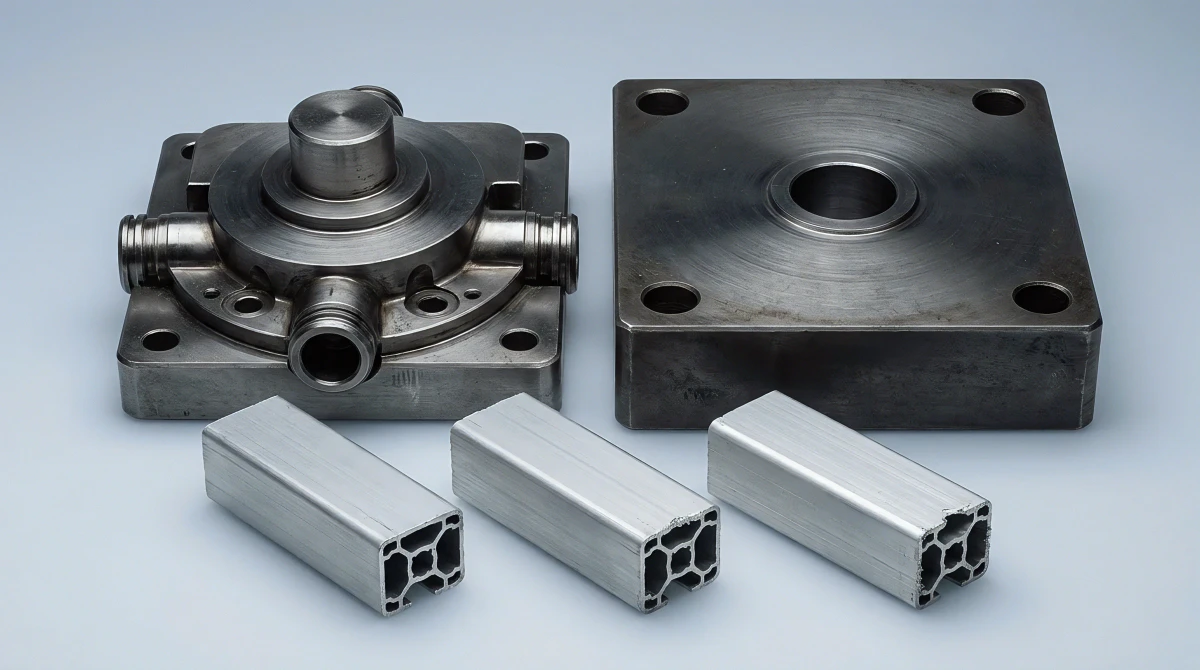
Both the AEC white paper and one extruder’s data sheet allow 2 to 3 weeks to make a new aluminum die. Another extruder states 2 to 4 weeks and more for complex, large or intricate shapes. Hydro puts hollow dies at the slow end, since their two-part tools need more design and machining. Samples are then approved before production is booked.
Read More

Production Weeks

Production of a standard shape, mill finish or clear anodized, takes 3 to 4 weeks at one plant. Adding powder coat stretches that plant’s time to about 6 weeks. Another notes that production time depends mostly on where the order falls in its schedule. Fabrication adds days or weeks depending on complexity and batch size.

Plastic Tooling

The sources opened for these resources print no lead time for plastic profile tooling. They give no typical number of die trials either. A buyer therefore asks for the die date in writing, counted from approved drawings. The same request covers how many trials are planned and whether each is its own line booking.

Reading the Figures

Some published lead times include the finish and some leave it out. Two quotes are compared only after that is settled. On a run of a few tonnes, the timing of die nitriding is also asked, since it can add to the schedule. A date confirmed after drawings are sent outweighs any figure on a public page.
Planning a Plastic Profile Extrusion Run From Die Trial to Regrind

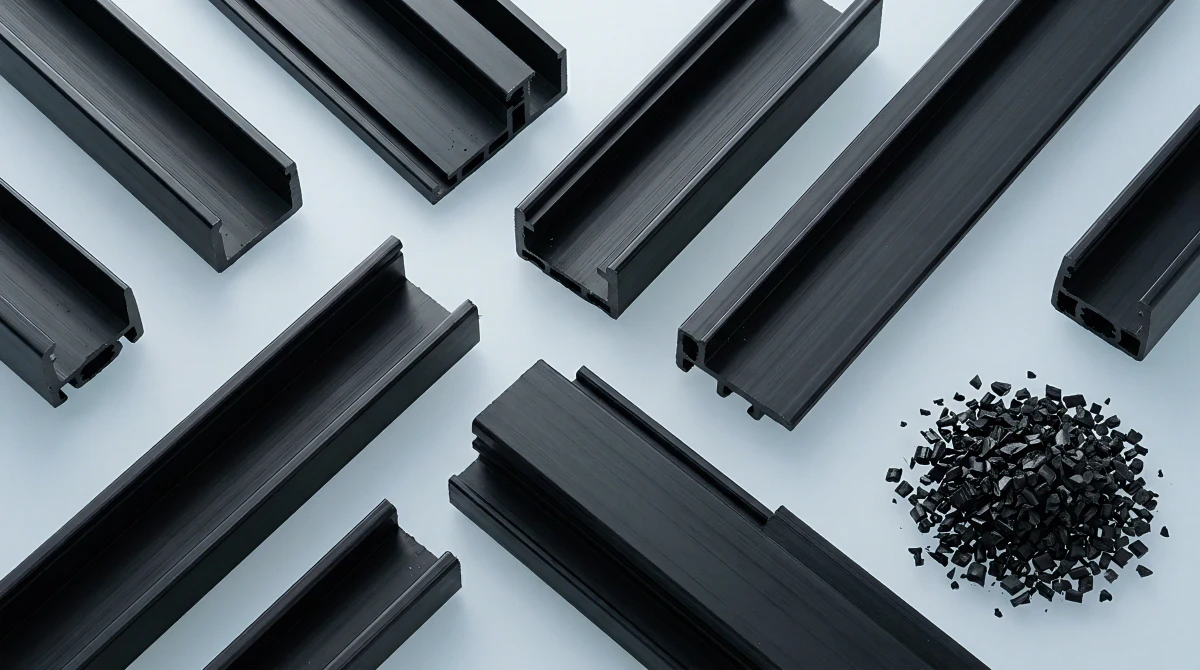
A plastic profile run is a tooling set tied to one resin, a trial that makes scrap, and steady hours that arithmetic on kilograms per hour can size.

What a Plastic Profile Run Is Made OfFour parts make a run: the tooling set, the start-up, the steady production and the changeover at the end. Each has its own tool, its own time and its own scrap, and a buyer who plans a quantity needs to ask about all four.

Aluminum Extrusion Die Life in Kilograms Before the Bearing Wears

Die life is counted in tonnes of aluminum before the bearing wears, so a bridge run usually needs one die and a plan for its trial and correction.

What Wears an Extrusion Die and How FastThe AEC manual explains that the life of an extrusion die is generally set by wear of the bearing, the surface of the die opening at right angles to the die face that controls metal flow and velocity by friction. Because the bearing determines the control and finish of the profile, any deterioration, given the finish required, leads to premature failure of the die.

How Much of an Aluminum Billet Becomes Shipped Profile

Order weight, butt, stretcher ends and rejects decide how many billets a small aluminum extrusion run takes and what the buyer receives.

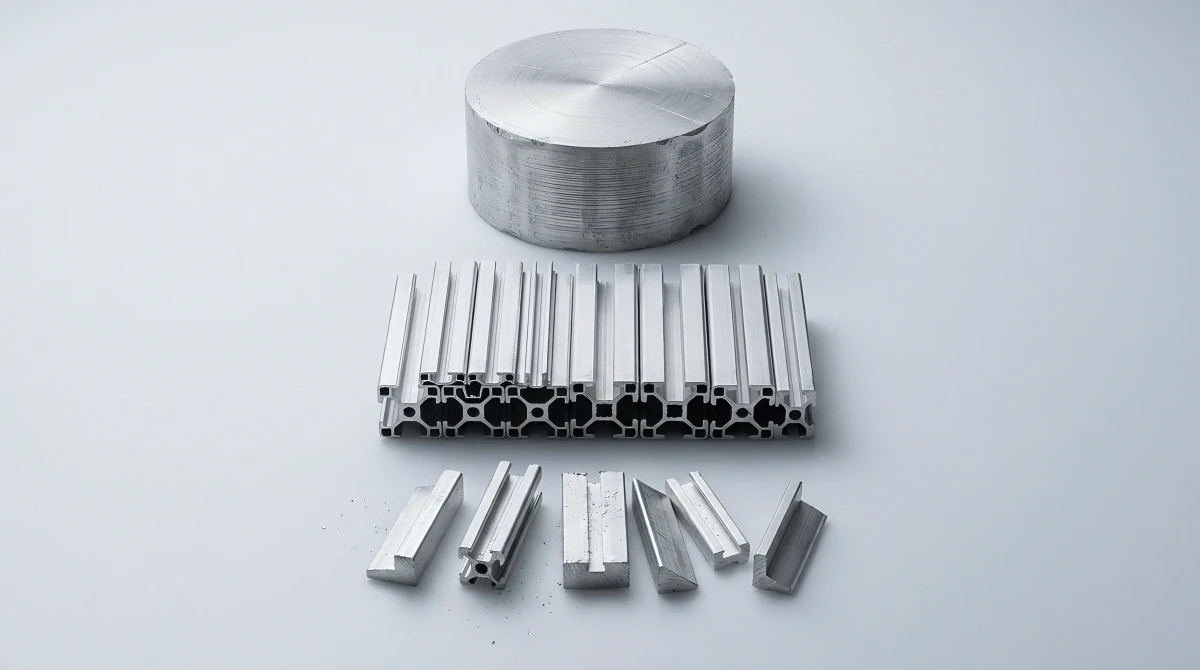
The Yield Stack From Billet to Shipped LengthA billet is heated, pushed through a die, quenched, stretched, sawn and aged. Metal leaves the stream at three points, and each has a figure in the published sources.

Send the Section Drawing of Your Profile

Send the 2D drawing and the 3D file, with the quantity and the stage of the project. An engineer replies within 1 working day.

The quote form, the mutual NDA and the private folder for your files are on Protolis Atelier, with Profile Extrusion chosen.

Request a Quote