Melt Temperature

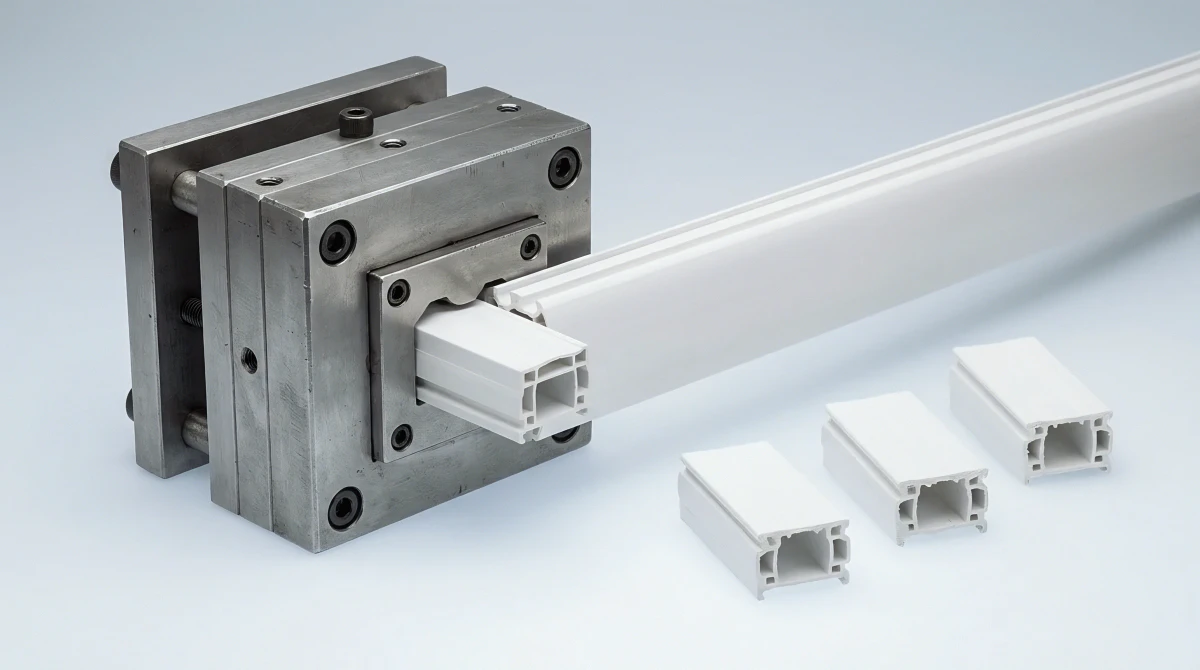
Melt temperature is the temperature of the molten plastic as it reaches the profile die, set by barrel heating and by screw shear.

Every Melt Temperature article of the Profile Extrusion Resources, newest first, each written from published standards, research and makers’ data.

Meaning

Melt temperature is the temperature of the molten plastic as it reaches the profile die, set by barrel heating and by screw shear. It governs fusion, surface and the time a compound can run before it degrades. Each resin has its own window, printed by its maker.

Polycarbonate Window

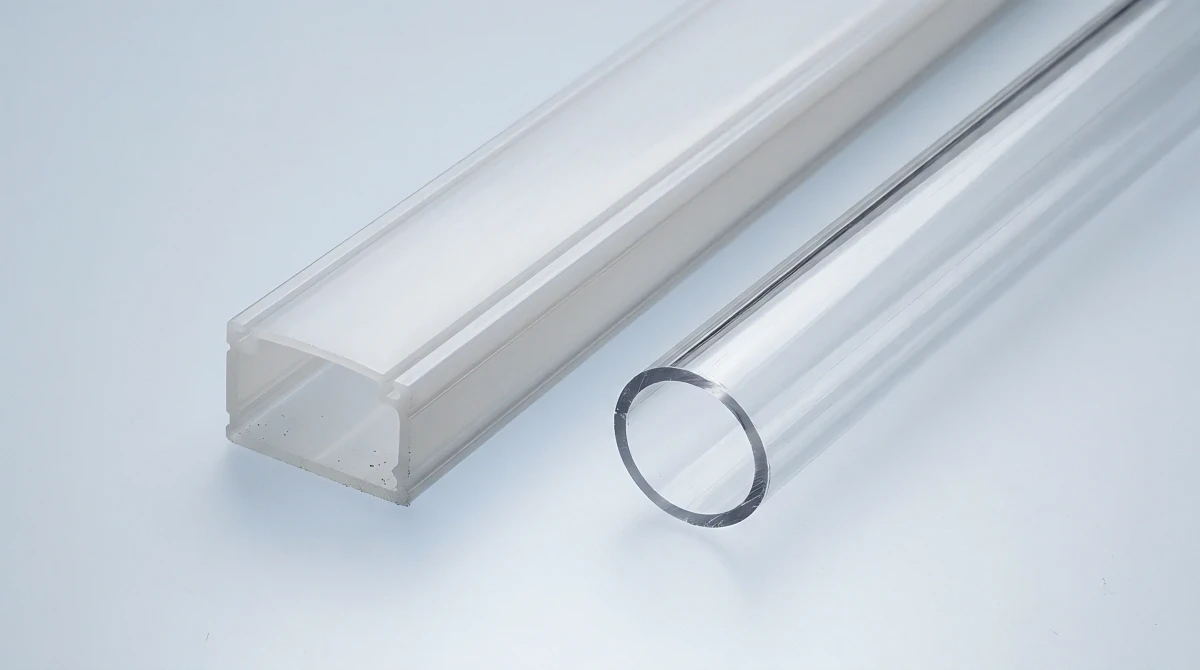
SABIC lists a melt temperature of 270 to 280 °C (518 to 536 °F) for LEXAN 135 in profile extrusion. Its barrel zones and adapter run at 260 to 280 °C (500 to 536 °F). The die is held cooler, at 250 to 260 °C (482 to 500 °F). The first calibrator then sits at 70 to 90 °C (158 to 194 °F).
Read More

PVC Window

A rigid vinyl guide sets two levels for PVC sheet compounds. At least 188 to 193 °C (370 to 380 °F) develops their physical properties. When output and melt uniformity matter more, it names 202 to 210 °C (395 to 410 °F). Held that hot, a compound runs for a day up to a week until it begins to break down.

Shear and Speed

Heat comes from the screw as well as the barrel. Plastics Technology notes that a higher screw speed adds shear much as a hotter temperature profile would. Regrind adds work too, and the GEON guide allows barrel temperatures up to about 6 °C (10 °F) higher for it.

Faults It Explains

The rigid vinyl guide links several faults to melt temperature. A dull surface points to low temperature, cured by a hotter melt or a faster screw. Brittleness can come from poor fusion, treated the same way. Die lines call for the opposite, a colder run.

TPE and Flexible PVC for Extruded Seals and Gaskets

Specify a seal compound by hardness, stress at a stated strain and direction, and compression set at service heat, not by hardness alone.

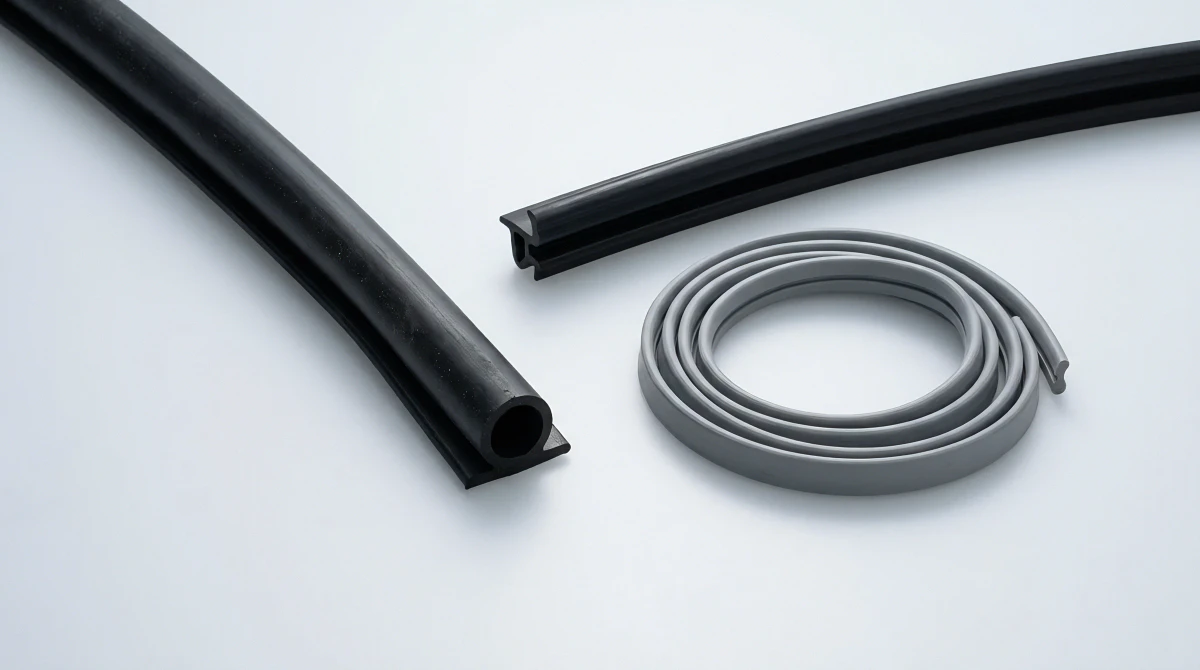
Flexible PVC, TPE-S and TPV for Extruded SealsHEXPOL TPE offers three families for profile extrusion, soft PVC, TPS and TPV, in hardnesses from 20 Shore A to 60 Shore D. Its list of profile uses covers window and door profiles, waterstops, keder profiles, automotive weather seals, train profiles, furniture edges and the door seals of refrigerators and washing machines.
Rigid PVC Compounds for Extruded Profiles

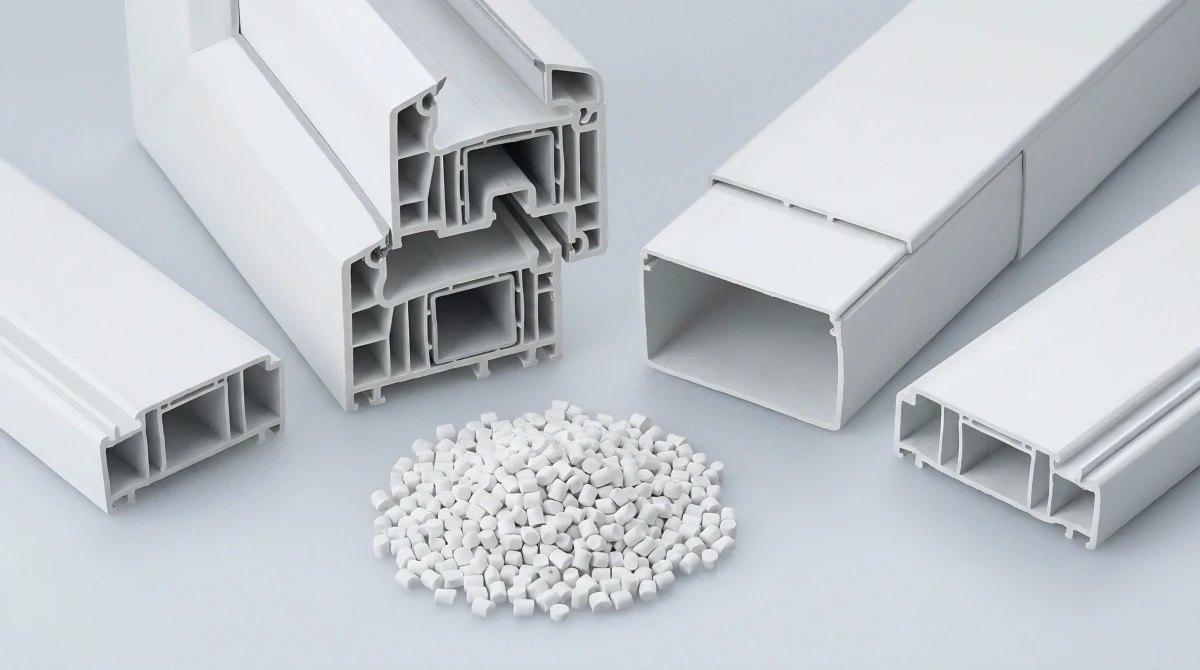
Rigid PVC profiles are stiff and easy to extrude, but their glass transition sets the heat limit, so name service temperature and color with the compound.

What a Rigid PVC Extrusion Compound ContainsRigid PVC, also written PVC-U for unplasticized, is polyvinyl chloride without plasticizer. It is never extruded as bare resin.

Planning a Plastic Profile Extrusion Run From Die Trial to Regrind

A plastic profile run is a tooling set tied to one resin, a trial that makes scrap, and steady hours that arithmetic on kilograms per hour can size.

What a Plastic Profile Run Is Made OfFour parts make a run: the tooling set, the start-up, the steady production and the changeover at the end. Each has its own tool, its own time and its own scrap, and a buyer who plans a quantity needs to ask about all four.

Plastic Profile Extrusion Line From Die Lip to Cut Length

A profile die only suggests the shape, and the sizer, puller and saw that follow have to hold the size until the plastic is solid.

The Stations of a Plastic Profile Line From Hopper to SawA typical line has five parts: an extruder, a die with its adapter, sizing and cooling equipment, a puller, and a way to cut the profile to length. The same five appear in a rigid vinyl guide from a PVC compound maker.

Polycarbonate Extruded Profile Properties and What the Datasheet Leaves Out

Read the resin sheet for viscosity, heat and growth, then ask what it leaves out about the profile itself.

What a Polycarbonate Datasheet States for Profile GradesTwo documents are read side by side here. SABIC's datasheet for LEXAN 135 resin describes the highest-viscosity linear polycarbonate powder in its range, and it names profile extrusion as the processing method.

Send the Section Drawing of Your Profile

Send the 2D drawing and the 3D file, with the quantity and the stage of the project. An engineer replies within 1 working day.

The quote form, the mutual NDA and the private folder for your files are on Protolis Atelier, with Profile Extrusion chosen.

Request a Quote