Meaning
Hardness is a material’s resistance to indentation, read on a scale that belongs to one test, such as Shore A, Brinell, Buchholz or pencil hardness. For extruded profiles it appears on aluminum alloy sheets, on coatings and on elastomer seals. The number only compares within its own scale.Scales in Use
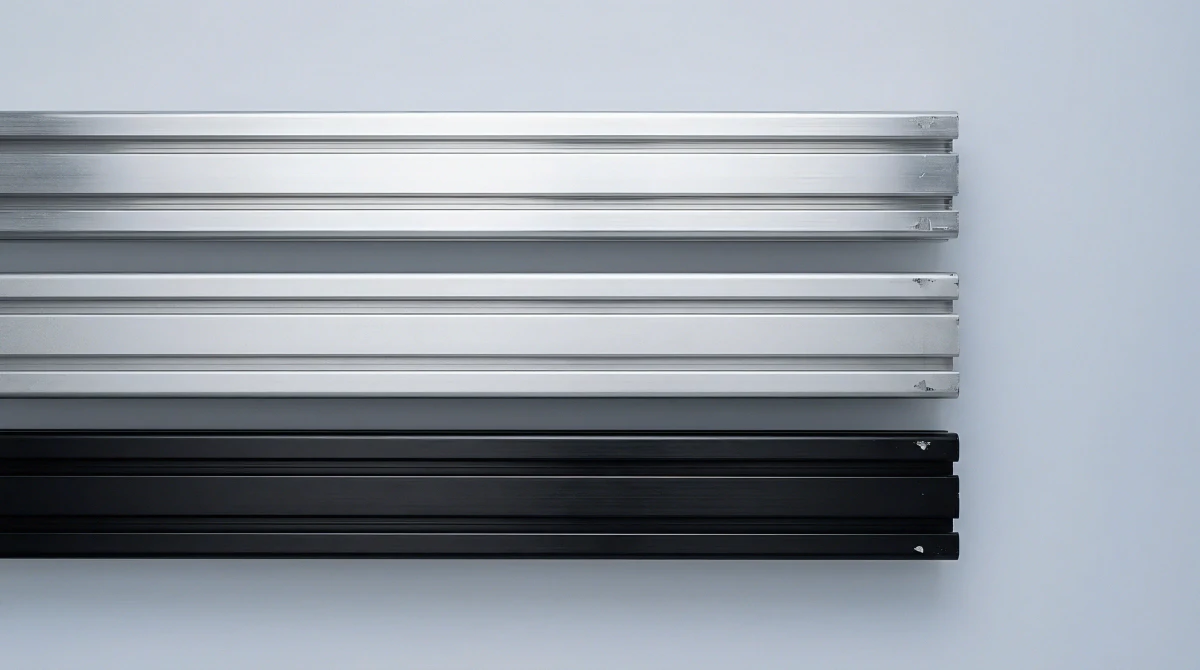
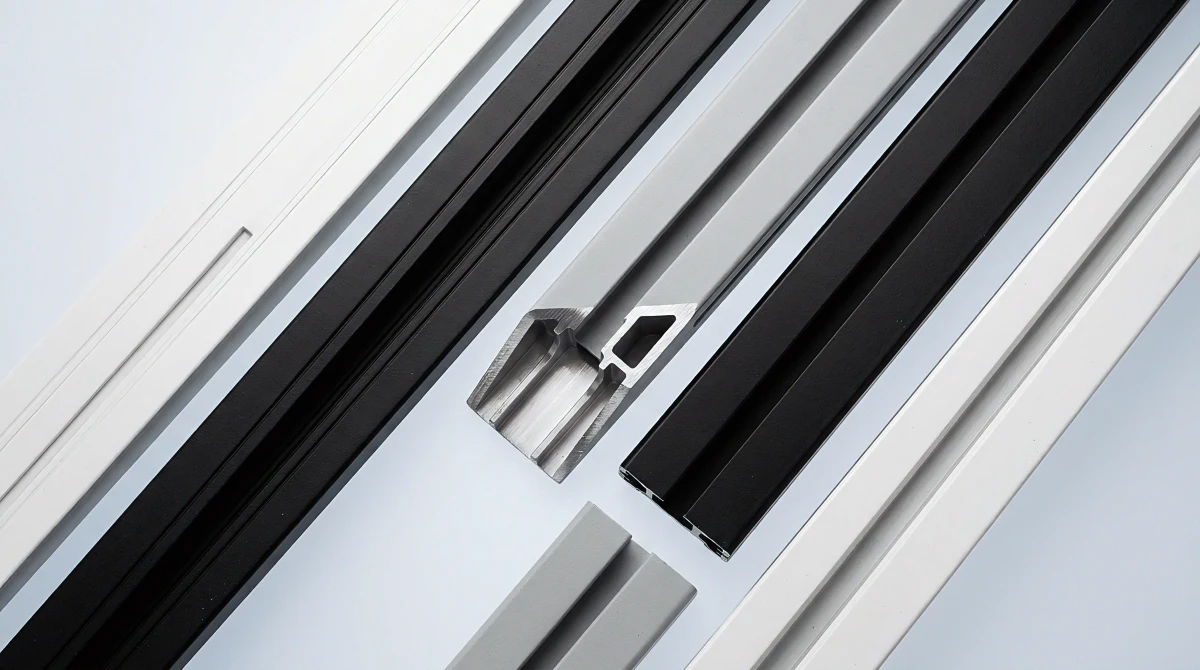
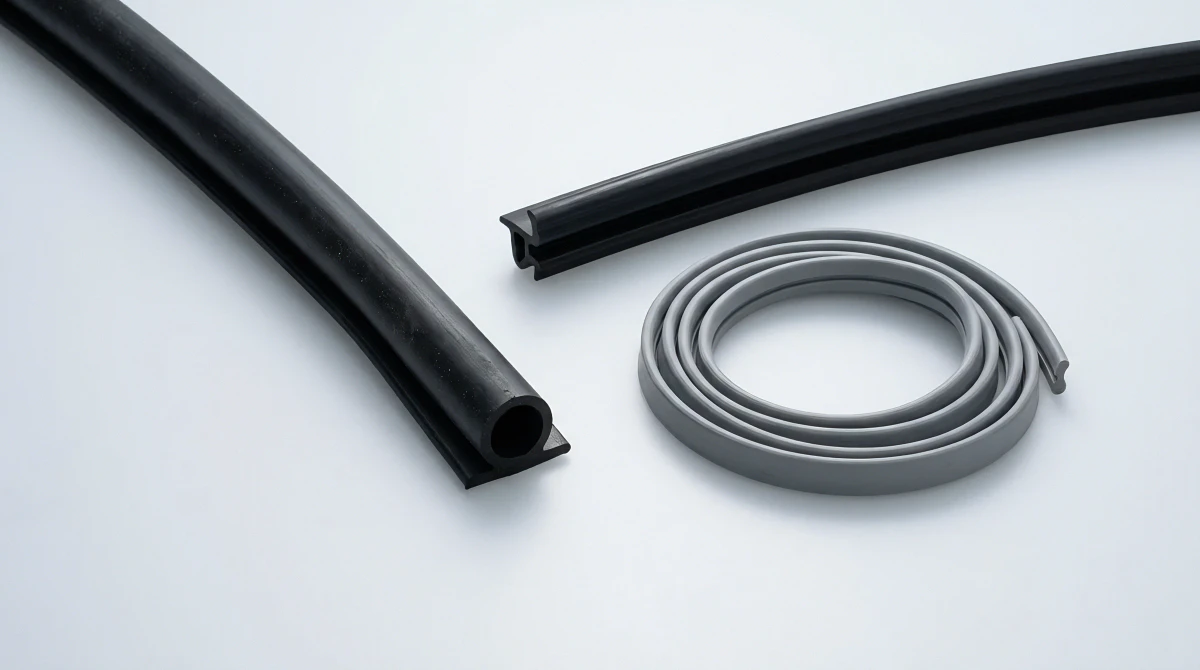
Aluminum datasheets give hardness as a typical value for information, beside guaranteed strength. Qualicoat qualifies powder coatings on Buchholz hardness of at least 80 to ISO 2815, while the AAMA tiers use pencil hardness to ASTM D3363, listed at H in the PCI comparison for the 2021 editions. Seal compounds are graded on Shore durometers, from soft Shore A to harder Shore D grades.Read More
Durometer Limits
ASTM D2240 covers twelve durometer types and states that indentation hardness depends on the material’s elastic modulus and viscoelastic behavior. It also says there is no simple relationship between readings from different durometer types, and that the test is empirical and meant mainly for control. A hardness on a seal drawing is therefore a control number.Hardness and Stiffness
In the Sarlink TPV series, moving from 72 to 80 Shore A raised the stress at 100 % strain from 3.20 to 4.50 MPa (464 to 653 psi), about 40 %. Two grades at 72 and 75 Shore A printed the same 3.20 MPa, so hardness alone does not fix stiffness.Process Effects
Hardness can move with processing. Teknor Apex lists 72 Shore A for 5775B extruded and 75 for the same grade injection molded. In aluminum, low hardness from ageing furnace faults appeared in one plant’s reject data at 11,196 kg in a year, and sealing a hard anodized surface improves its corrosion resistance but lowers its hardness.