Anodizing

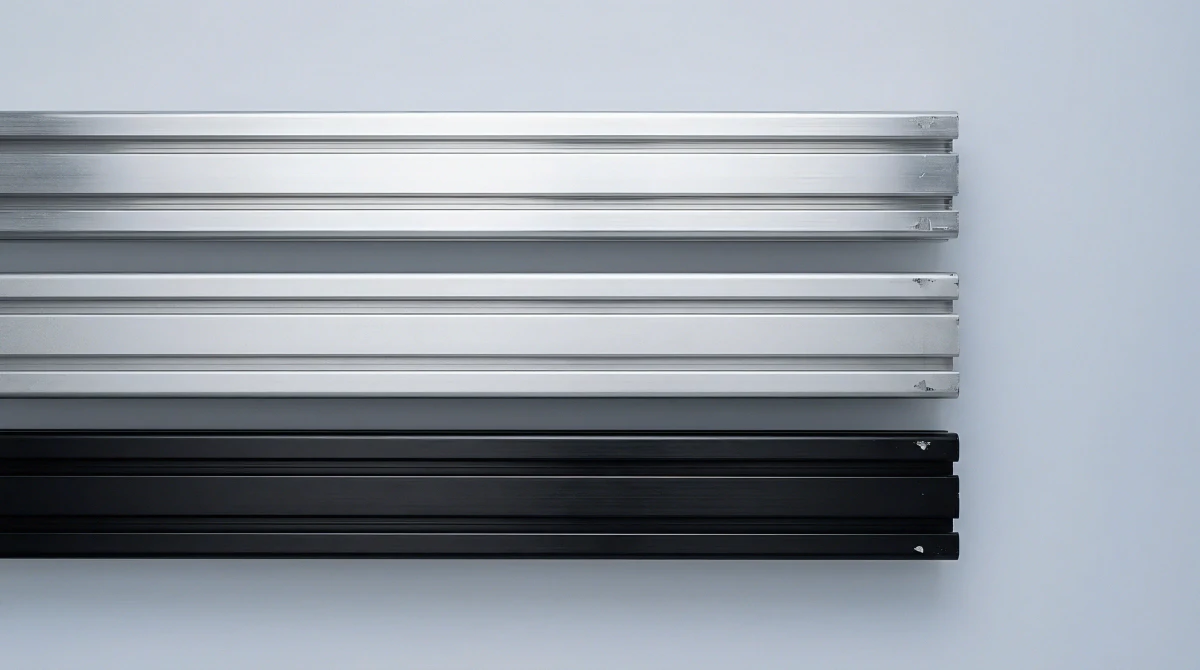
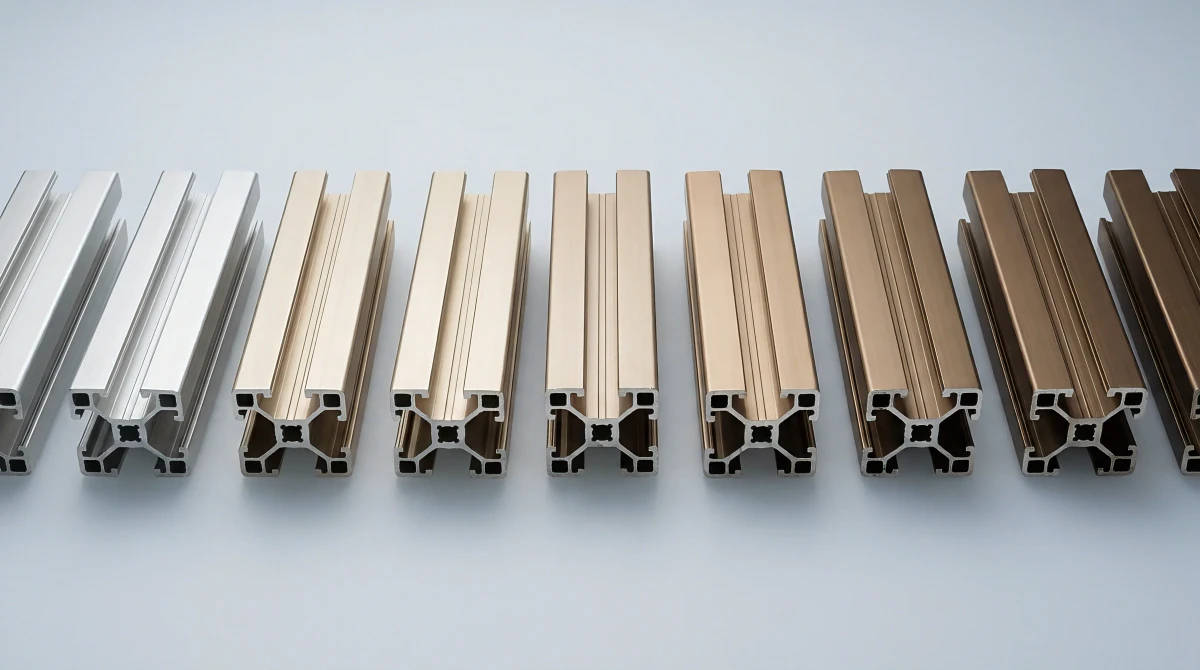
Anodizing is a surface finish for aluminum profiles, applied after sawing, that alloy sheets grade separately for its decorative quality.

Every Anodizing article of the Profile Extrusion Resources, newest first, each written from published standards, research and makers’ data.

Meaning

Anodizing is a surface finish for aluminum profiles, applied after sawing, that alloy sheets grade separately for its decorative quality. It is the usual reason to choose 6060 or 6063 over a structural alloy. Alloy datasheets grade each alloy for how well it takes a decorative anodized finish.

Alloy Suitability

Hydro’s relative scale puts decorative anodizing at 5, the top grade, for both 6060 and 6063. Alloy 6005 grades 4, 6005A grades 3 and 6082 grades 2. Surface finish follows a similar line, 5 for 6060 and 4 for 6063. The choice between the two top alloys then rests on strength against surface.
Read More

Why 6082 Grades Low

The manganese Hydro adds to 6082 for toughness is the reason it anodizes poorly as a decorative finish. The 6005A sheet calls that alloy more suitable than 6082 for the same finish. A structural part that will be anodized and seen moves toward 6005A or the softer grades.

Seams on Hollows

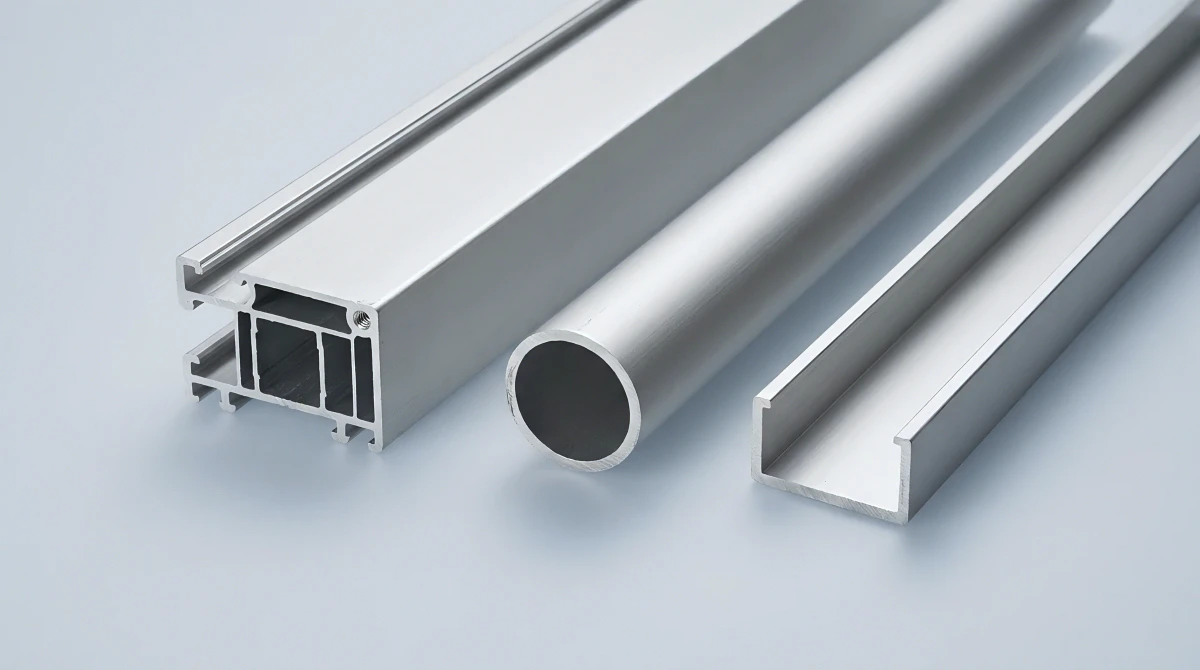
A hollow aluminum profile carries seam lines where the metal rejoined behind the die bridges. A sound seam is still a joint. A buyer planning to anodize a hollow knows it is there before the finish reveals it.

Standard and Lead Time

An ASTM B221 certificate says nothing about the anodized face, which belongs to a finish standard of its own. The drawing names that standard with the finish. A clear anodized standard extrusion takes 3 to 4 weeks at one plant that publishes its times. Its figure for powder coating is about 6 weeks.

Anodizing Extruded Aluminum Profiles Step by Step

Anodizing an extrusion is a line of tanks, and the rack, etch, bath, color and seal each leave their own mark on the profile.

The Anodizing Line From Rack to SealHydro's anodizing brochure for extruded profiles lays out the line in the order the profiles travel. The Aluminum Anodizers Council groups the same work into five stages: cleaning, pretreatment, anodizing, coloring and sealing.

Anodized Film Thickness and Color Tolerance on Extruded Profiles

Specify anodic film as an ISO 7599 class on marked faces, and agree color against limit samples before the first lot is anodized.

How Anodized Film Thickness Is Specified and AcceptedISO 7599:2018, published in Europe as EN ISO 7599:2018 and in Britain as BS EN ISO 7599:2018, lays down the method. Its contents run from the information the customer supplies to the anodizer, through coating thickness, sealing, appearance and color, to a normative annex on interpreting average and local thickness.

ASTM B221 for Extruded Aluminum Profiles Read for the Buyer

The specification certifies alloy, temper and tensile behavior, so the drawing still has to carry geometry, units and thickness.

What ASTM B221 CoversASTM's catalog page for B221-21, last updated October 29, 2021, describes the standard as a specification for aluminum and aluminum-alloy extruded bars, rods, wire, profiles and tubes. It covers the alloys and tempers listed in its Table 2 and requires the products to be made by hot extrusion or a similar process.

6063 Aluminum Extrusion Properties in T5 and T6

Read the temper, the thickest wall and the word minimum before trusting any strength figure for this alloy.

What EN AW-6063 Guarantees in T4, T5, T6 and T66Hydro's datasheet for EN AW-6063 (alloy designation AlMg0.7Si) lists minimum mechanical properties taken from EN 755-2:2016 for extruded profile. The values are minimums, and each row is tied to a wall thickness band.

Send the Section Drawing of Your Profile

Send the 2D drawing and the 3D file, with the quantity and the stage of the project. An engineer replies within 1 working day.

The quote form, the mutual NDA and the private folder for your files are on Protolis Atelier, with Profile Extrusion chosen.

Request a Quote