Meaning
A datasheet is the maker’s published property sheet for one alloy, compound or grade, giving typical or guaranteed values with the test method and condition behind each figure.Typical and Guaranteed
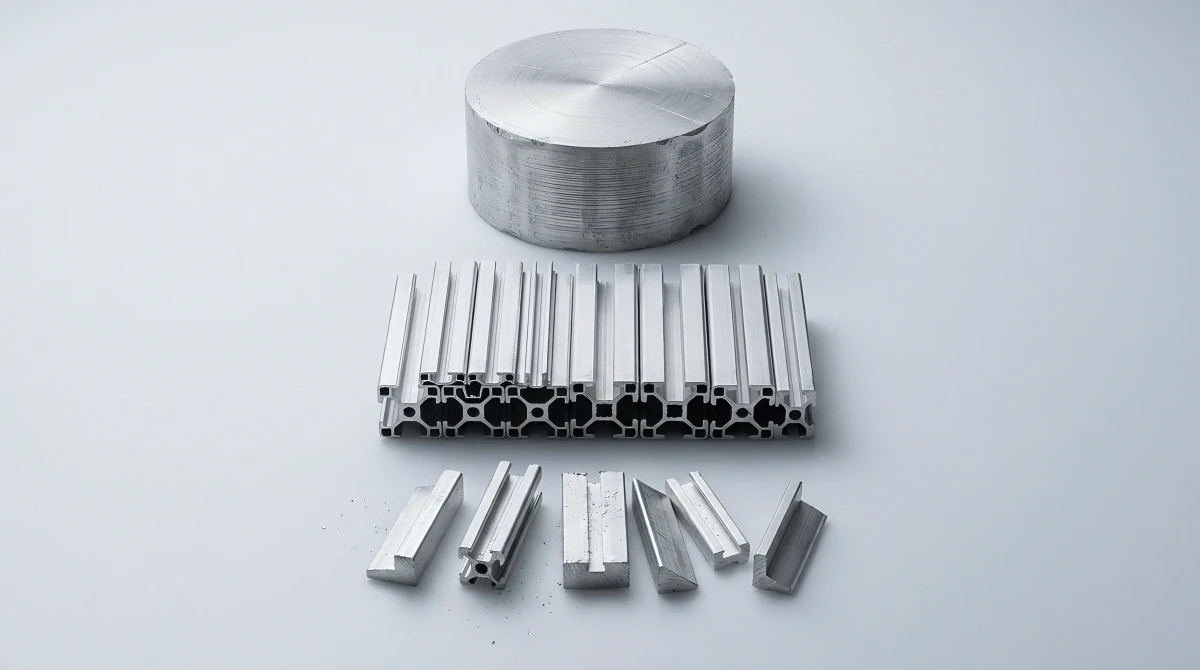
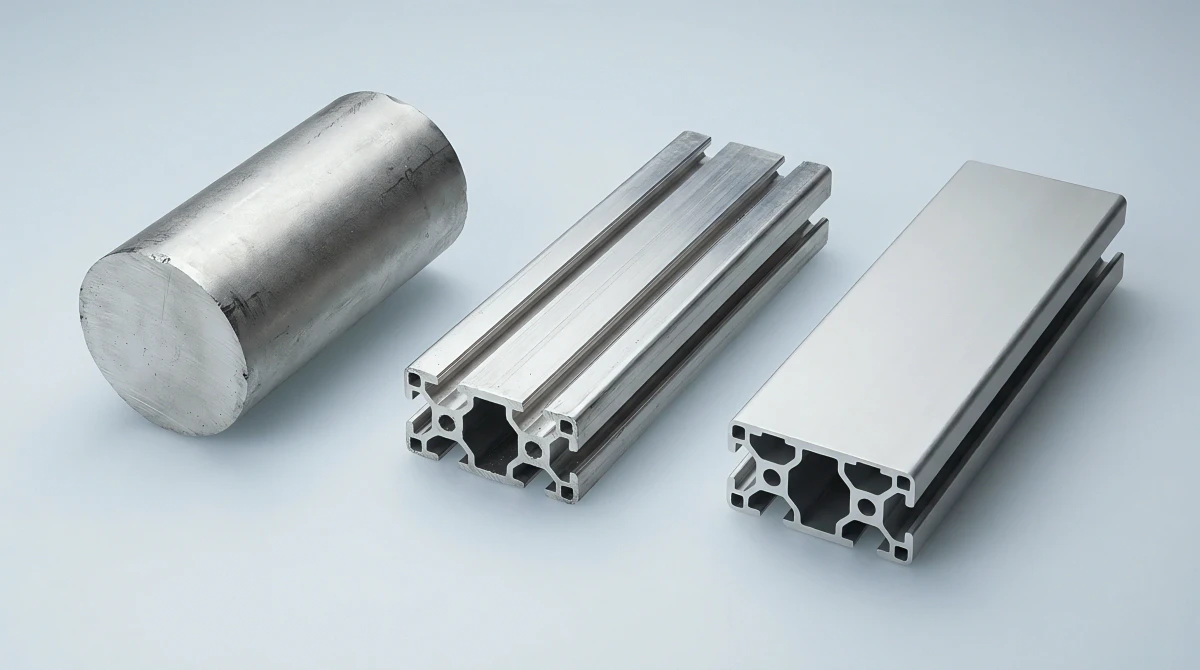
Hydro’s aluminum datasheets separate guaranteed minimum strengths, tied to temper and wall thickness band, from typical values such as hardness, density of 2.70 g/cm3 for 6063 and a linear expansion of 23.5 × 10⁻⁶/K. A typical value is information, not an acceptance limit. ASTM D1784 says the same of its compound classification: values from standard specimens are not directly applicable to finished products.Read More
Conditions Travel With Numbers
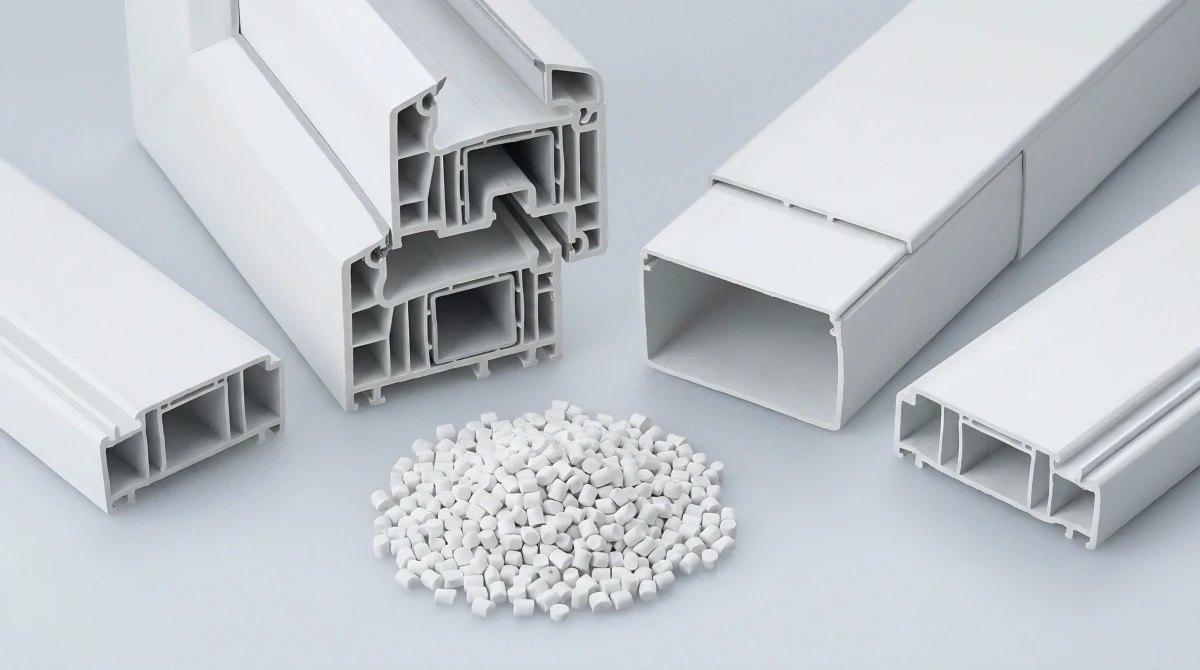
BASF’s rigid PVC values were measured on injection-molded bars to ISO 527, so a profile may differ. Teknor Apex’s TPV sheets give stress at 100 % strain along and across the flow direction and hardness on extruded and molded material separately. Compression set rows name their temperature and duration, and ISO 815 and ASTM D395 results are listed side by side.What a Datasheet Leaves Out
A polycarbonate grade sheet may not describe the profile made from it, and a change of supplier or grade means a new trial even when the datasheet looks the same. Some properties a profile needs, such as post-shrinkage after heating or weather resistance, sit outside the sheet and are agreed in the order.Reading One
Before a figure is compared, the reader checks the grade, the test standard, the specimen and the direction.Revision Dates
Datasheets carry revision dates. Teknor Apex’s Sarlink TPV sheets show revisions of 6/9/2026 and 1/15/2019, and Hydro’s alloy sheets are marked Rev. 4, 03/2023. A figure taken into a specification is quoted with the revision of its sheet.