Light Profile

A light profile is one with a low weight per meter, which changes how it is pressed and how fast a line makes it.

Every Light Profile article of the Profile Extrusion Resources, newest first, each written from published standards, research and makers’ data.

Meaning

A light profile is one with a low weight per meter, which changes how it is pressed and how fast a line makes it. Weight per meter turns a quantity in meters into kilograms and hours. A light profile can be too light for the press line to handle alone.

Several Openings

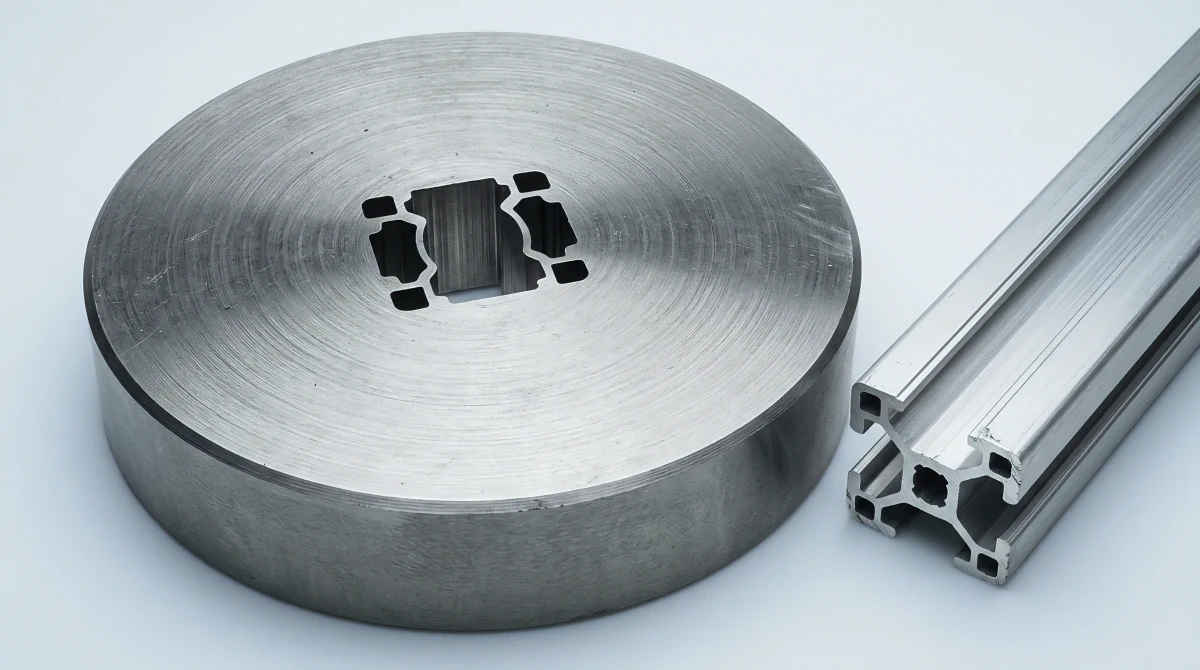
An aluminum profile can fall below the press line’s minimum exit weight. The usual remedy is a die with several openings, so the strands leave together and pass that floor as a group. One worked example uses a 400 mm² (0.62 in²) section at 1.08 kg per meter (0.73 lb/ft). Its billet counts all follow from that figure.
Read More

Press Time

More openings give more profile length per stroke. That shortens press time for a given weight. It does not reduce the weight a run has to carry against an order minimum. For a small order, the number of openings mostly changes the schedule.

Plastic Speed

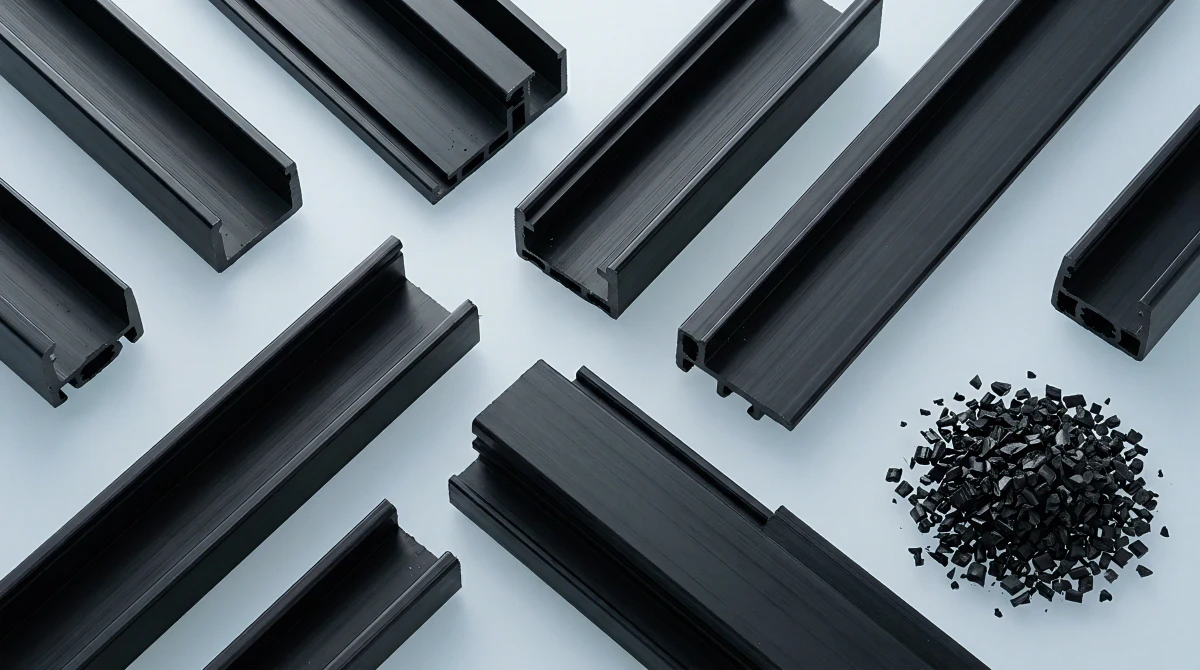
On a plastic line the same extruder makes a light profile fast and a heavy one slowly. Meters per minute follow from the extruder’s rate in kg/h, divided by the profile’s kg/m and then by 60. At 45 to 57 kg/h (100 to 125 lb/hr), a 0.10 kg/m profile runs at 7.6 to 9.5 m/min. A 1.00 kg/m profile runs at 0.8 to 0.9 m/min.

Measuring Output

One overall equipment effectiveness (OEE) guide rates a line in meters at the target weight per meter. Run heavy, a profile can keep the kg/h figure up while fewer meters come off the line. Weight per meter is therefore checked as part of the run.
Planning a Plastic Profile Extrusion Run From Die Trial to Regrind

A plastic profile run is a tooling set tied to one resin, a trial that makes scrap, and steady hours that arithmetic on kilograms per hour can size.

What a Plastic Profile Run Is Made OfFour parts make a run: the tooling set, the start-up, the steady production and the changeover at the end. Each has its own tool, its own time and its own scrap, and a buyer who plans a quantity needs to ask about all four.

Aluminum Extrusion Die Life in Kilograms Before the Bearing Wears

Die life is counted in tonnes of aluminum before the bearing wears, so a bridge run usually needs one die and a plan for its trial and correction.

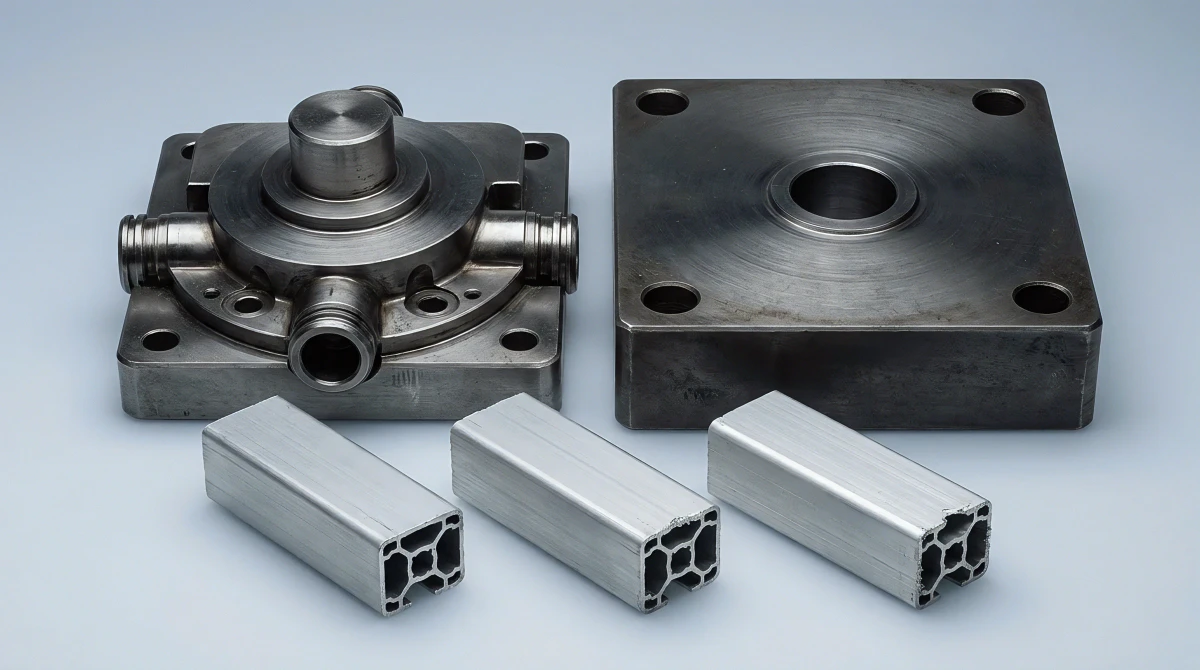
What Wears an Extrusion Die and How FastThe AEC manual explains that the life of an extrusion die is generally set by wear of the bearing, the surface of the die opening at right angles to the die face that controls metal flow and velocity by friction. Because the bearing determines the control and finish of the profile, any deterioration, given the finish required, leads to premature failure of the die.

How Much of an Aluminum Billet Becomes Shipped Profile

Order weight, butt, stretcher ends and rejects decide how many billets a small aluminum extrusion run takes and what the buyer receives.

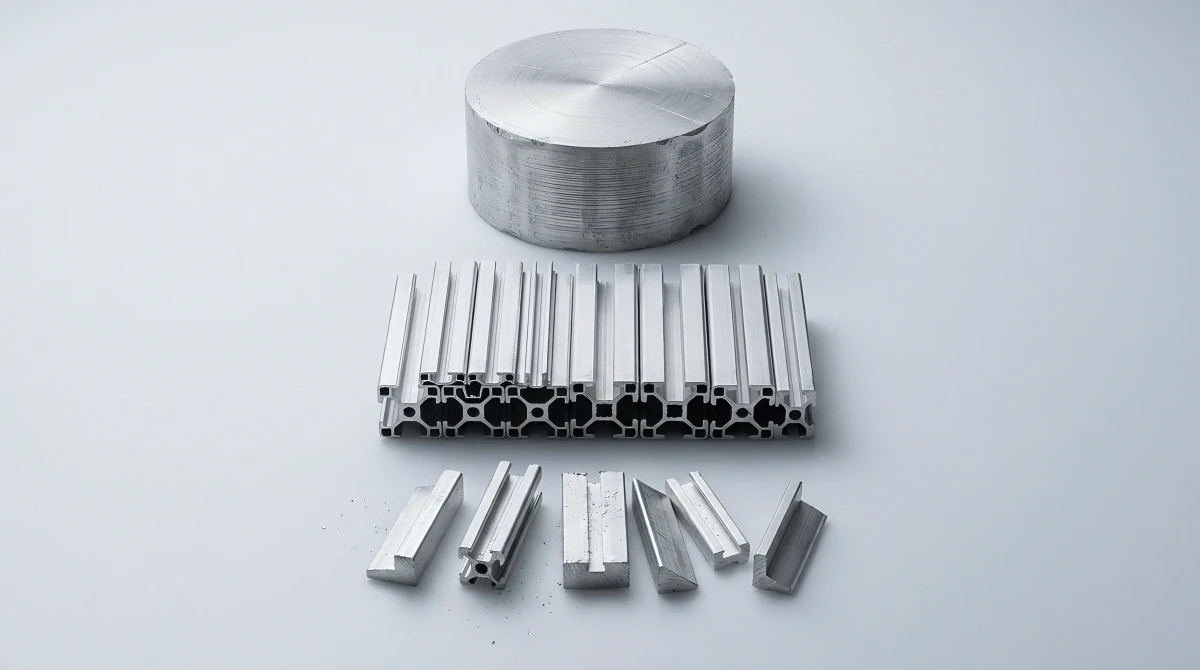
The Yield Stack From Billet to Shipped LengthA billet is heated, pushed through a die, quenched, stretched, sawn and aged. Metal leaves the stream at three points, and each has a figure in the published sources.

Send the Section Drawing of Your Profile

Send the 2D drawing and the 3D file, with the quantity and the stage of the project. An engineer replies within 1 working day.

The quote form, the mutual NDA and the private folder for your files are on Protolis Atelier, with Profile Extrusion chosen.

Request a Quote