Mandrel

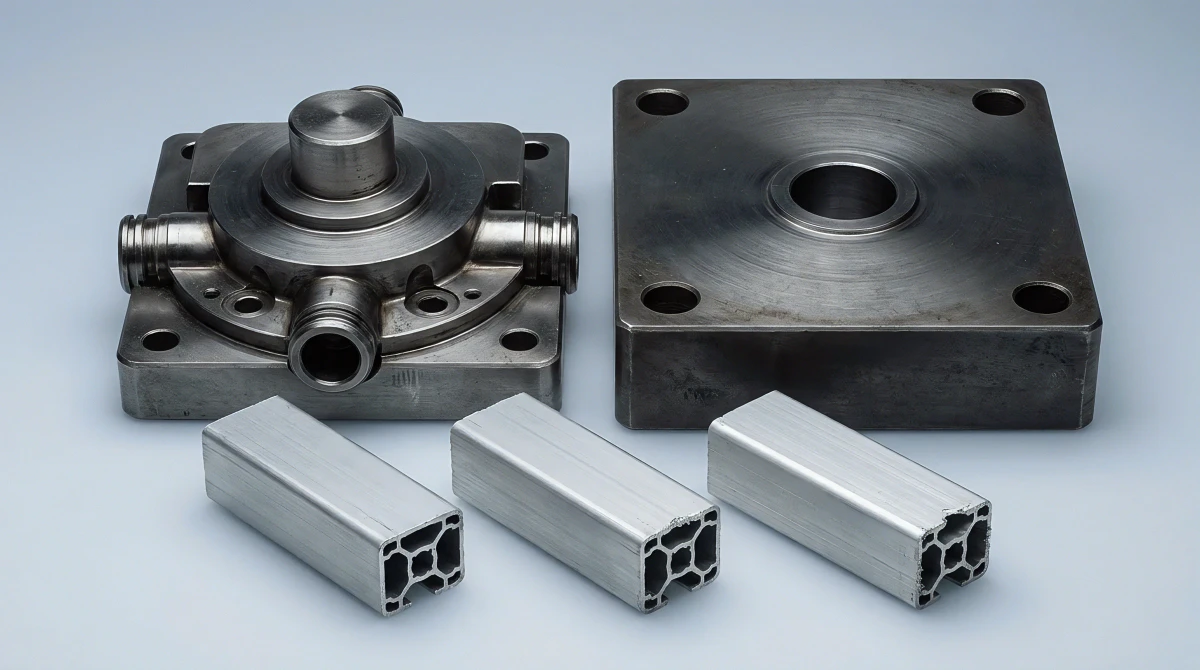
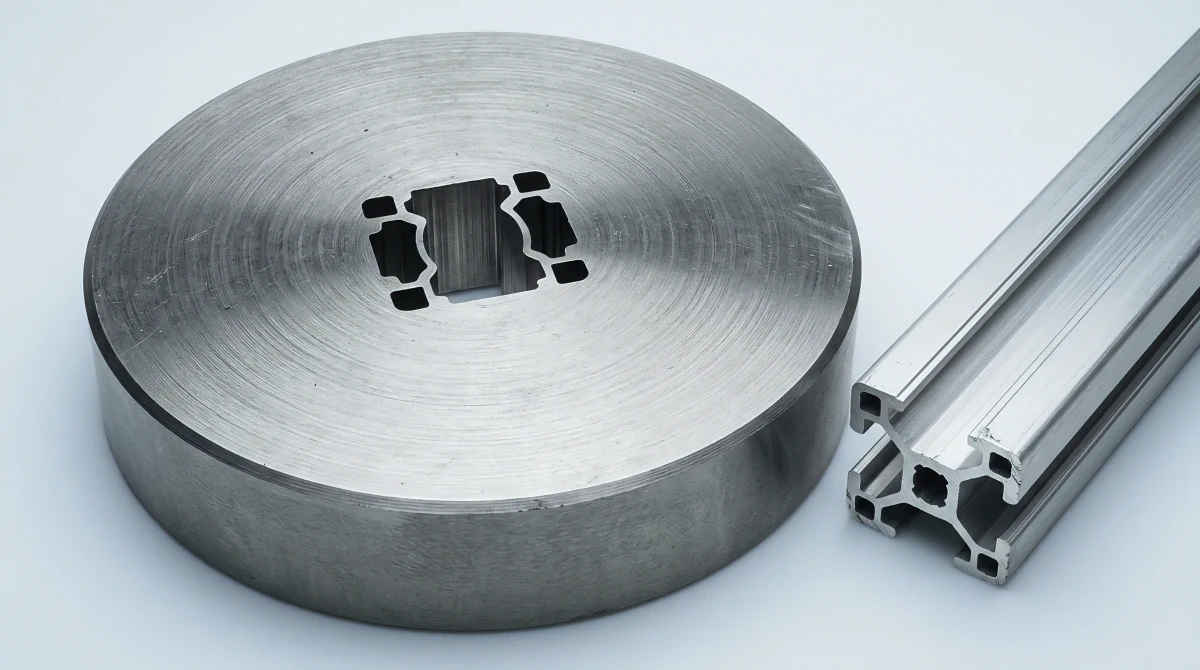
A mandrel is the part of a hollow extrusion die that forms the inside of the profile, held on bridges while the metal flows around it and re-welds.

Every Mandrel article of the Profile Extrusion Resources, newest first, each written from published standards, research and makers’ data.

Meaning

A mandrel is the part of a hollow extrusion die that forms the inside of the profile, held on bridges while the metal flows around it and re-welds.

How It Works

Hydro describes the hollow die as two parts, a mandrel supported on a bridge and an outer die for the external contour, with the aluminum flowing around the bridge and rejoining behind it. The Aluminum Extruders Council names bridge, porthole and spider dies as forms carrying a fixed stub mandrel.
Read More

Deflection and Strength

In a porthole die study, a 4.04 mm (0.16 in) mandrel standing 26 mm (1.02 in) proud of the die surface deflected 0.0925 mm (0.0036 in) in the first design; the authors judged it liable to bend or break and redesigned the die until the deflection fell to 0.04648 mm (0.0018 in). Mandrel strength depends on its size, its support, the welding chamber pressure and the pressure difference around it.

Effect on the Profile

A KFUPM study of extrusion defects traces uneven wall thickness in a hollow to a mandrel that is not centered, with the remedy of stopping the press and realigning it. Friction between the mandrel and the billet can also distort flow at the inside surface.

Tooling

Dies and mandrels appear among the tooling faults that can cause rejects.

Welds

Because metal divides around the mandrel’s supports and rejoins, a hollow carries longitudinal weld lines. The KFUPM study notes that die design can place welds on faces that are not seen, and that the transverse weld between billets merges into them in a hollow.

Aluminum Extrusion Die Life in Kilograms Before the Bearing Wears

Die life is counted in tonnes of aluminum before the bearing wears, so a bridge run usually needs one die and a plan for its trial and correction.

What Wears an Extrusion Die and How FastThe AEC manual explains that the life of an extrusion die is generally set by wear of the bearing, the surface of the die opening at right angles to the die face that controls metal flow and velocity by friction. Because the bearing determines the control and finish of the profile, any deterioration, given the finish required, leads to premature failure of the die.

Aluminum Extrusion Process From Billet to Aged Profile

The press pushes a softened billet through a die, and the quench, stretch and oven that follow decide whether the bar is straight and strong.

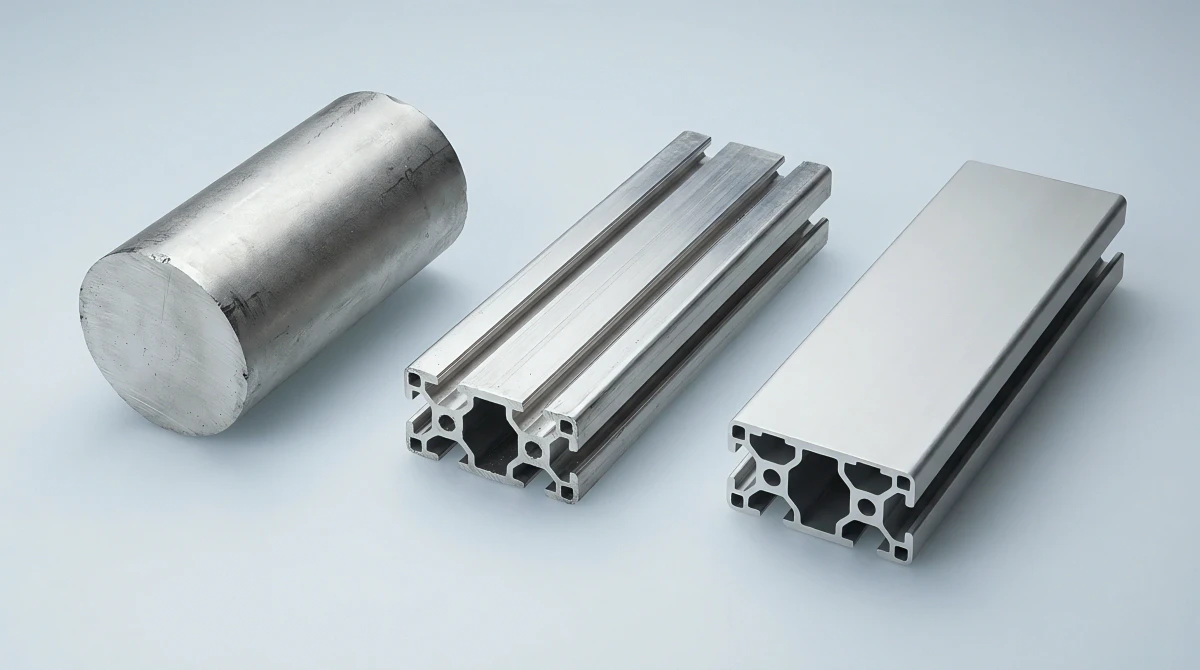
The Steps of Aluminum Extrusion in the Order the Metal Meets ThemSeven operations turn a cast billet into a profile ready for finishing. A billet is a solid cylinder of cast aluminum, and it never melts on the way.

Send the Section Drawing of Your Profile

Send the 2D drawing and the 3D file, with the quantity and the stage of the project. An engineer replies within 1 working day.

The quote form, the mutual NDA and the private folder for your files are on Protolis Atelier, with Profile Extrusion chosen.

Request a Quote