Scrap

Scrap is material a run consumes but does not ship, from aluminum butts and bar ends to the start-up meters of a plastic line.

Every Scrap article of the Profile Extrusion Resources, newest first, each written from published standards, research and makers’ data.

Meaning

Scrap is material a run consumes but does not ship, from aluminum butts and bar ends to the start-up meters of a plastic line. It is planned for as an allowance and recovered by remelting or regrinding where possible. Its size decides how much metal or resin a given order needs.

Aluminum Losses

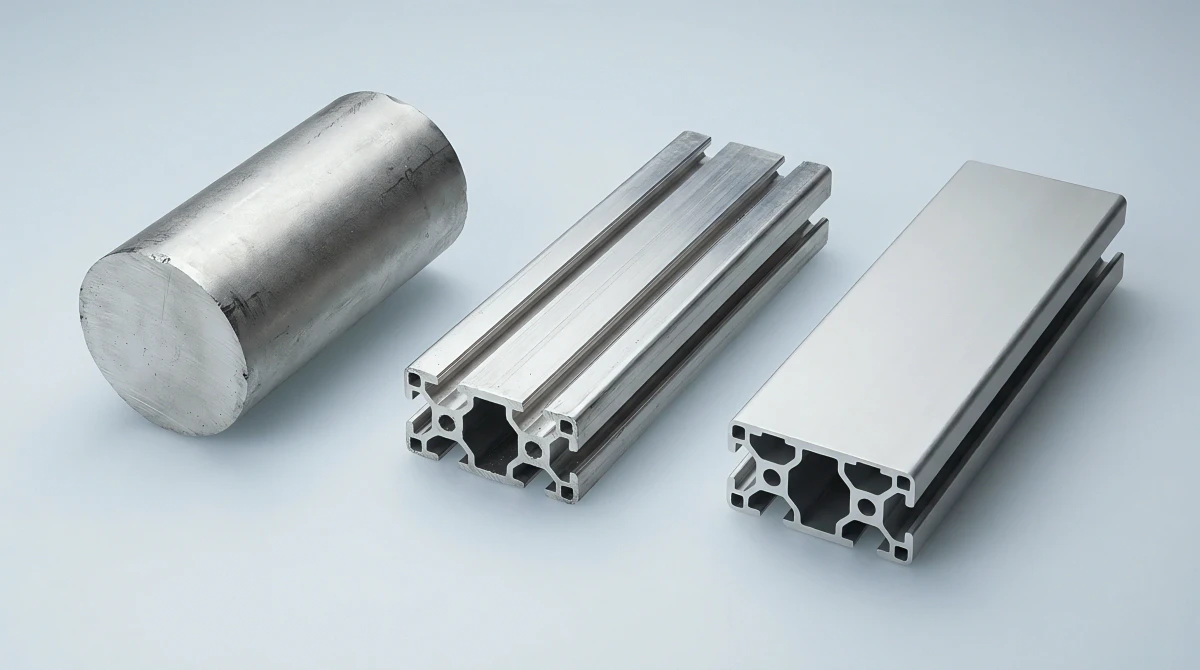
Three losses sit between the billet and the box, and none is a press defect. The butt left at the die takes about 10 % of billet length. One published allowance puts it at 12 to 14 % of billet weight. Roughly 1 m (3.3 ft) at each end of a continuous length is crushed or of low quality. A planning model also allows about 6 % of pieces as non-conforming.
Read More

Worked Share

In one worked example with assumed dimensions, a 700 mm billet ships 77 to 80 % of its weight. Welding billets into one continuous length shares the end losses and lifts that share. With five billets in a row it approaches 84 %. These are planning figures built from published percentages, not measurements of a plant.

Machining Spare

More pieces are lost after the press. The first cuts and holes of a machining step often scrap a few pieces. A small order therefore carries a planned spare for that step. The University of Illinois thesis uses its 6 % figure for the same reason.

Plastic Start-Up

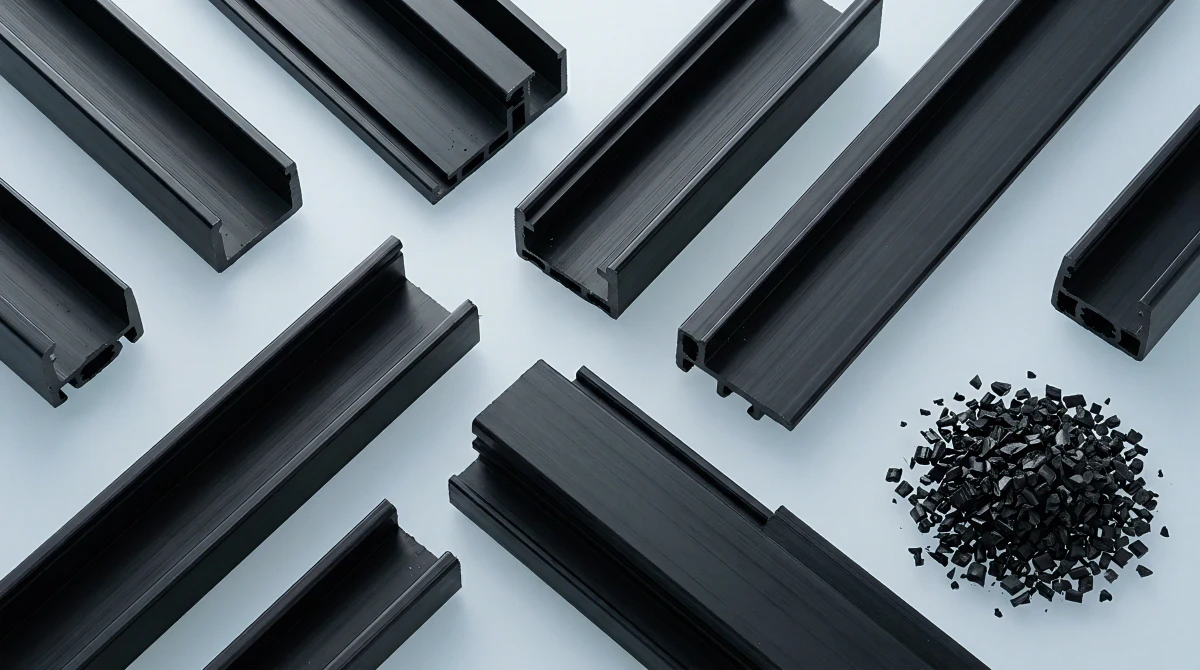
On a plastic line, an overall equipment effectiveness (OEE) guide books all output after a start or a die change as scrap. It stays scrap until the profile measures right in size, wall and surface. Lines are continuous, so the extruder often keeps running while the haul-off or the saw is stopped. The loss then shows in the regrind bin rather than the stop log.

Back Into the Feed

Much plastic scrap returns to the line. The GEON guide allows rigid PVC regrind at 10 to 30 % of virgin material. Barrel temperatures may need to rise by up to about 6 °C (10 °F) for it. The sources print no typical start-up scrap figure, so the allowance for a run comes from the extruder.

TPE and Flexible PVC for Extruded Seals and Gaskets

Specify a seal compound by hardness, stress at a stated strain and direction, and compression set at service heat, not by hardness alone.

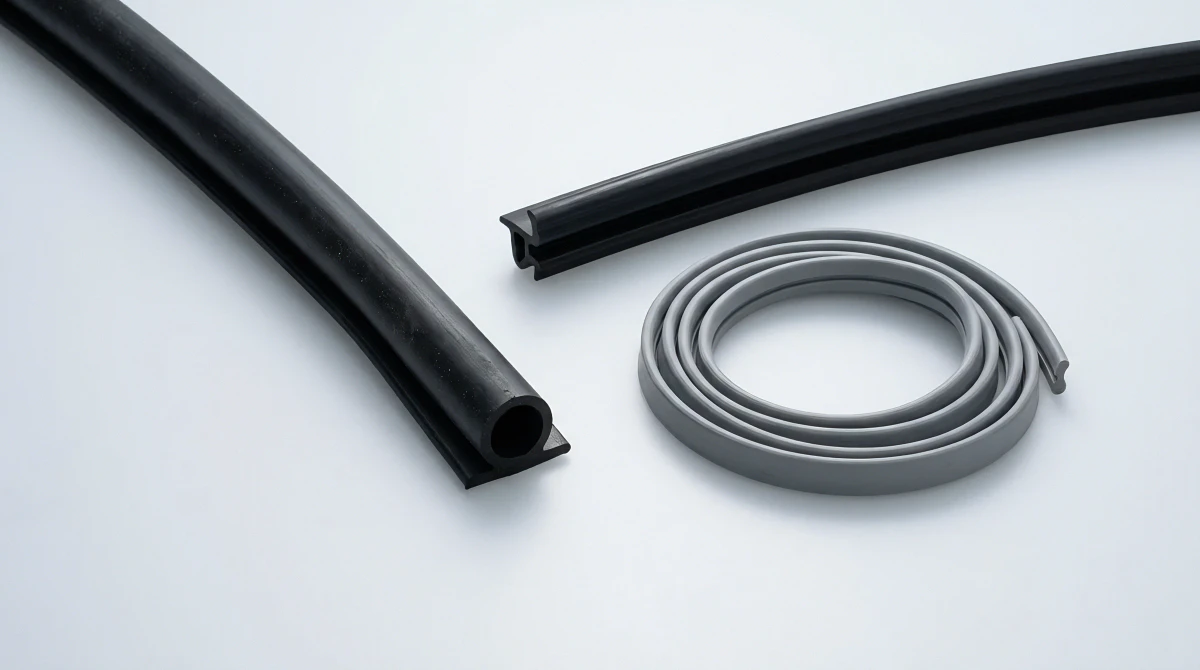
Flexible PVC, TPE-S and TPV for Extruded SealsHEXPOL TPE offers three families for profile extrusion, soft PVC, TPS and TPV, in hardnesses from 20 Shore A to 60 Shore D. Its list of profile uses covers window and door profiles, waterstops, keder profiles, automotive weather seals, train profiles, furniture edges and the door seals of refrigerators and washing machines.

Planning a Plastic Profile Extrusion Run From Die Trial to Regrind

A plastic profile run is a tooling set tied to one resin, a trial that makes scrap, and steady hours that arithmetic on kilograms per hour can size.

What a Plastic Profile Run Is Made OfFour parts make a run: the tooling set, the start-up, the steady production and the changeover at the end. Each has its own tool, its own time and its own scrap, and a buyer who plans a quantity needs to ask about all four.

Cutting and Machining Extruded Aluminum Lengths

A press saw makes bars into shippable lengths, and a precision saw with the right blade, clamps and datums makes the length the drawing asks for.

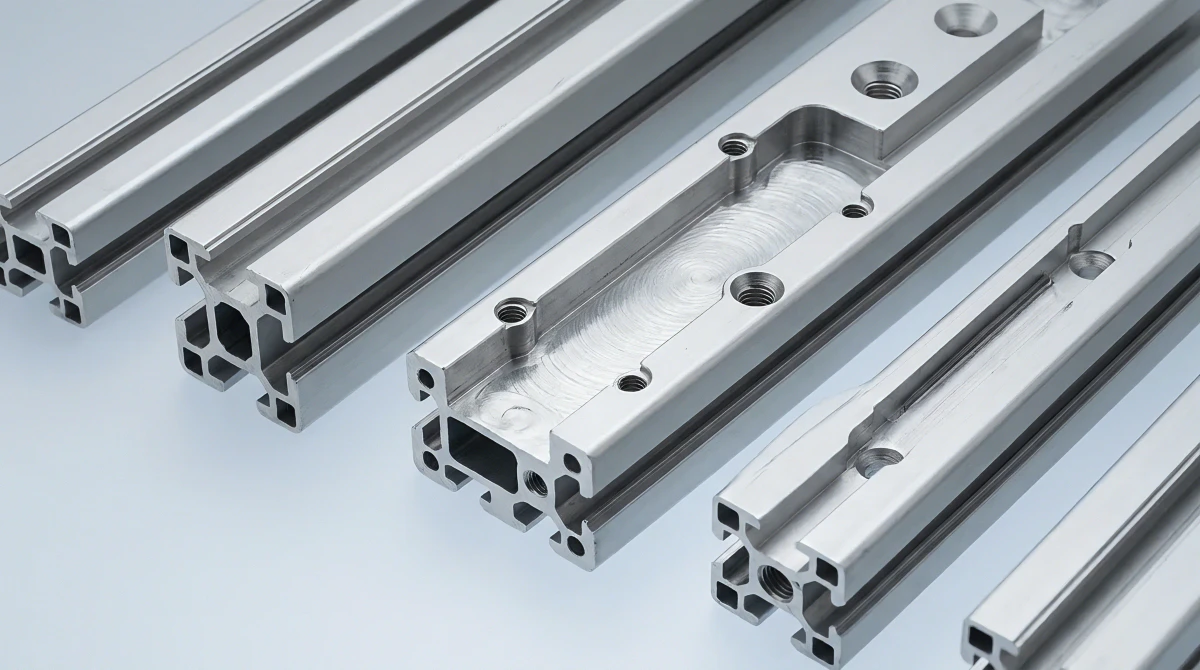
The Order of Operations From Bar to Cut LengthCutting comes first in almost any fabrication plan, with deburring and then drilling, punching or machining after it. A burr left from the cut sits where the clamp has to hold the piece for the next step, so the order carries weight.

Aluminum Extrusion Process From Billet to Aged Profile

The press pushes a softened billet through a die, and the quench, stretch and oven that follow decide whether the bar is straight and strong.

The Steps of Aluminum Extrusion in the Order the Metal Meets ThemSeven operations turn a cast billet into a profile ready for finishing. A billet is a solid cylinder of cast aluminum, and it never melts on the way.

Send the Section Drawing of Your Profile

Send the 2D drawing and the 3D file, with the quantity and the stage of the project. An engineer replies within 1 working day.

The quote form, the mutual NDA and the private folder for your files are on Protolis Atelier, with Profile Extrusion chosen.

Request a Quote