Resin

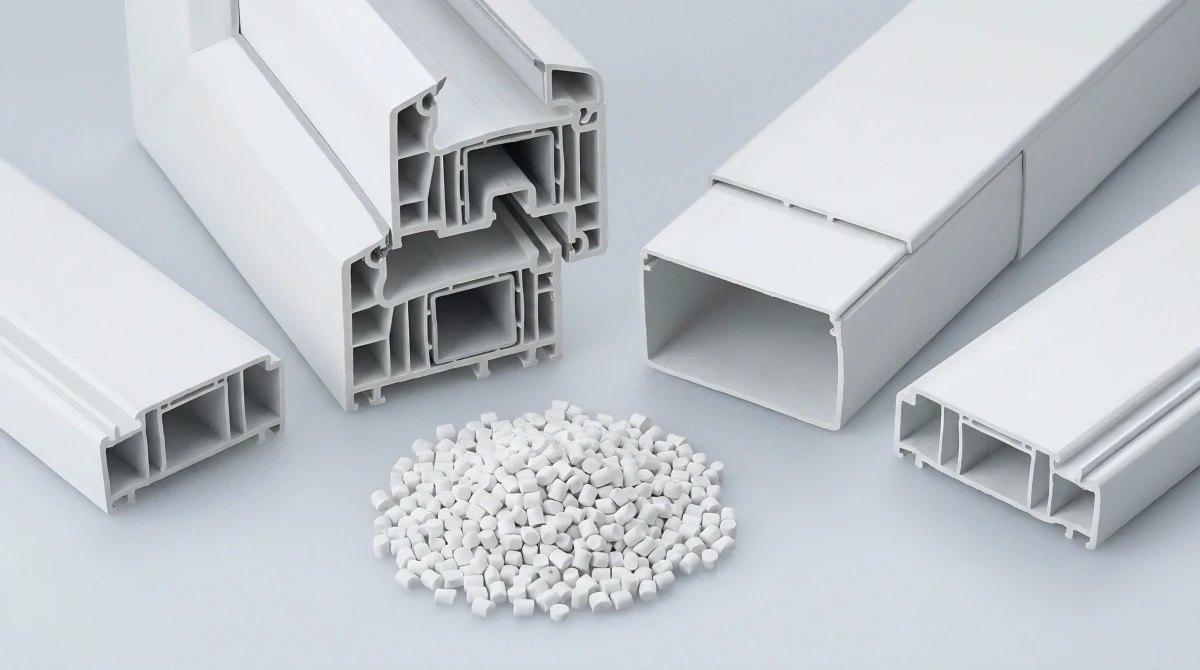
The resin is the thermoplastic raw material fed to a profile extruder, identified by its grade and its lot.

Every Resin article of the Profile Extrusion Resources, newest first, each written from published standards, research and makers’ data.

Meaning

The resin is the thermoplastic raw material fed to a profile extruder, identified by its grade and its lot. The die, the sizing tools and the line settings are all made for one resin. A change of resin is treated as a change of process.

One Die per Resin

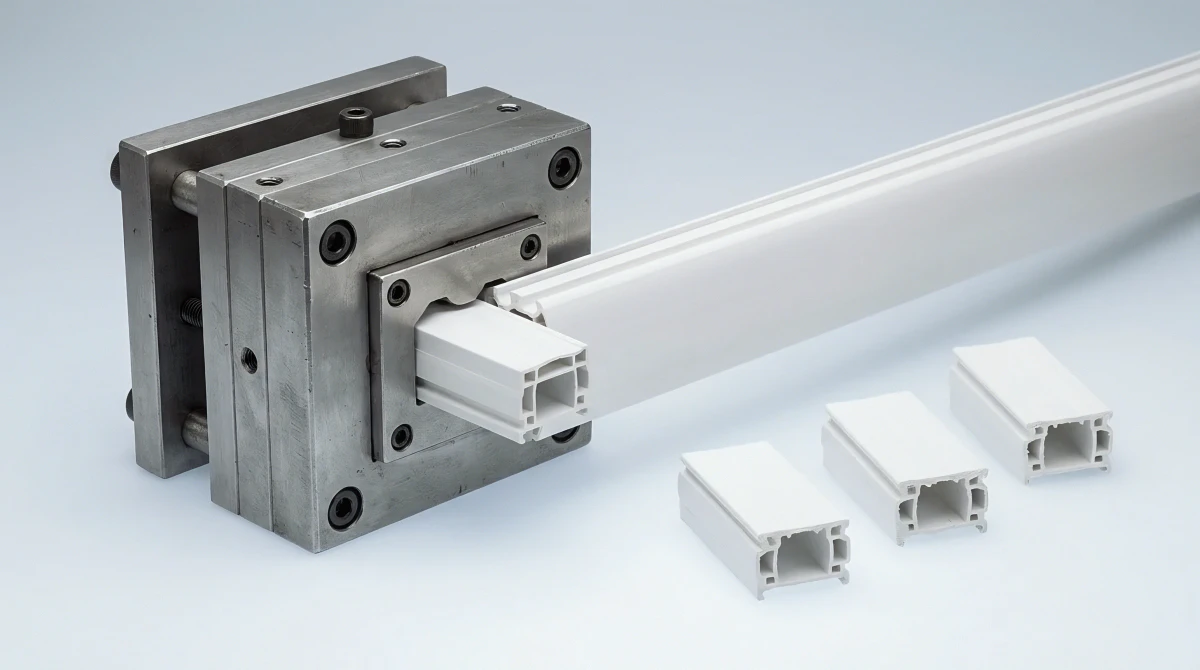
Each thermoplastic has its own specific heat and drawdown ratio. Plastics Technology concludes that a die designed for PP cannot serve other polymers. A buyer planning to switch resin between pilot and production plans for a new die. A new setting on the old die is not enough.
Read More

Lot to Lot

Two lots of nominally identical resin can still behave differently. Plastics Technology describes a lot with a broader molecular weight distribution that swelled more at the die. The calibrator filled too full, and the wall thickness wandered. A new supplier or grade calls for a new trial, even with matching datasheets.

Grade and Compound

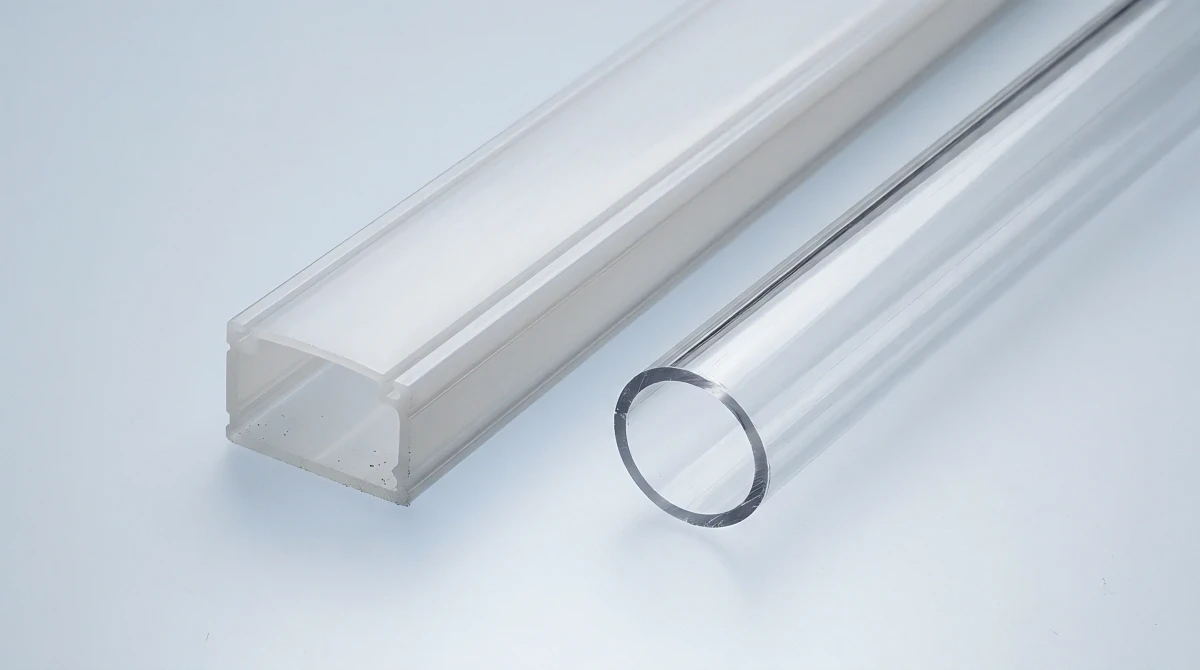
A grade name is not the whole material. Covestro’s Makrolon ET3113 is UV stabilized and supplied in transparent colors only. Add pigment and the material becomes another compound, with data of its own. SABIC describes LEXAN 135 as a high-viscosity powder suited to extrusion.

Changing Resin

Moving a line from one resin to another takes a purge. An SPE Extrusion Division note makes the purge sequence depend on which two resins meet. PVC and acetal react violently and should never follow one another. A high-temperature resin cooled too fast can freeze in the system.

Planning the Lot

A run plan orders one resin lot with a margin for start-up scrap. Start-up scrap that is reground and blended back returns to the hopper within the same run. The lot, its grade and any regrind share are stated before the run, so later lots can be matched.
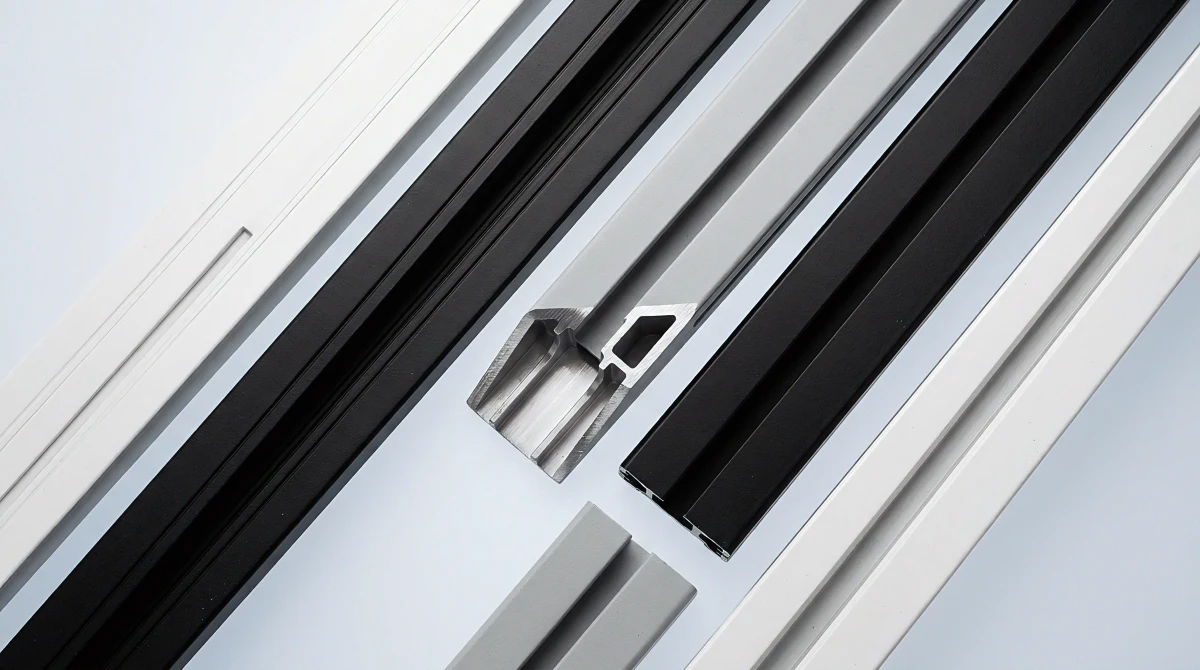
Qualicoat and AAMA 2603 to 2605 Coating Specifications for Aluminum Extrusions

Name the Qualicoat class or AAMA tier on the drawing, then fix the approved sample, channel thickness and machining rules that neither standard settles.

What Qualicoat and AAMA 2603, 2604 and 2605 CoverQualicoat is a quality label for coatings on aluminum for architectural use. Its 26th edition, introduced in the document QCT-INTRO-26 valid from 1 January 2026, splits the specifications into three volumes: one for coaters, one for makers of chemical pretreatments and one for powder makers.

Rigid PVC Compounds for Extruded Profiles

Rigid PVC profiles are stiff and easy to extrude, but their glass transition sets the heat limit, so name service temperature and color with the compound.

What a Rigid PVC Extrusion Compound ContainsRigid PVC, also written PVC-U for unplasticized, is polyvinyl chloride without plasticizer. It is never extruded as bare resin.

Planning a Plastic Profile Extrusion Run From Die Trial to Regrind

A plastic profile run is a tooling set tied to one resin, a trial that makes scrap, and steady hours that arithmetic on kilograms per hour can size.

What a Plastic Profile Run Is Made OfFour parts make a run: the tooling set, the start-up, the steady production and the changeover at the end. Each has its own tool, its own time and its own scrap, and a buyer who plans a quantity needs to ask about all four.

Plastic Profile Extrusion Line From Die Lip to Cut Length

A profile die only suggests the shape, and the sizer, puller and saw that follow have to hold the size until the plastic is solid.

The Stations of a Plastic Profile Line From Hopper to SawA typical line has five parts: an extruder, a die with its adapter, sizing and cooling equipment, a puller, and a way to cut the profile to length. The same five appear in a rigid vinyl guide from a PVC compound maker.

Polycarbonate Extruded Profile Properties and What the Datasheet Leaves Out

Read the resin sheet for viscosity, heat and growth, then ask what it leaves out about the profile itself.

What a Polycarbonate Datasheet States for Profile GradesTwo documents are read side by side here. SABIC's datasheet for LEXAN 135 resin describes the highest-viscosity linear polycarbonate powder in its range, and it names profile extrusion as the processing method.

Send the Section Drawing of Your Profile

Send the 2D drawing and the 3D file, with the quantity and the stage of the project. An engineer replies within 1 working day.

The quote form, the mutual NDA and the private folder for your files are on Protolis Atelier, with Profile Extrusion chosen.

Request a Quote