Meaning
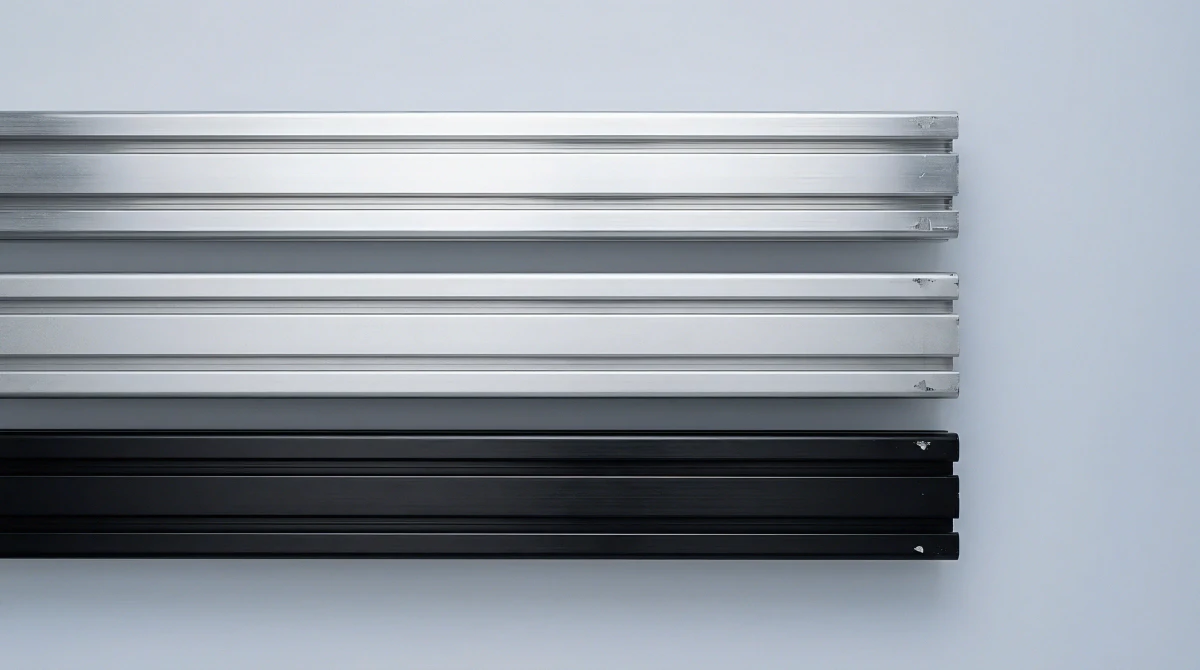
Corrosion is the chemical attack of a profile’s surface by its environment, which the chosen finish or alloy is largely meant to resist. For extruded profiles it is measured by salt spray, humidity and filiform tests.Alloy Ratings
Hydro’s relative grading, with 5 the top grade, rates 6060 and 6063 at 5 for corrosion resistance and the structural alloys slightly lower. The ratings are a comparison inside one maker’s table, not a test result.Read More
Anodized Profiles
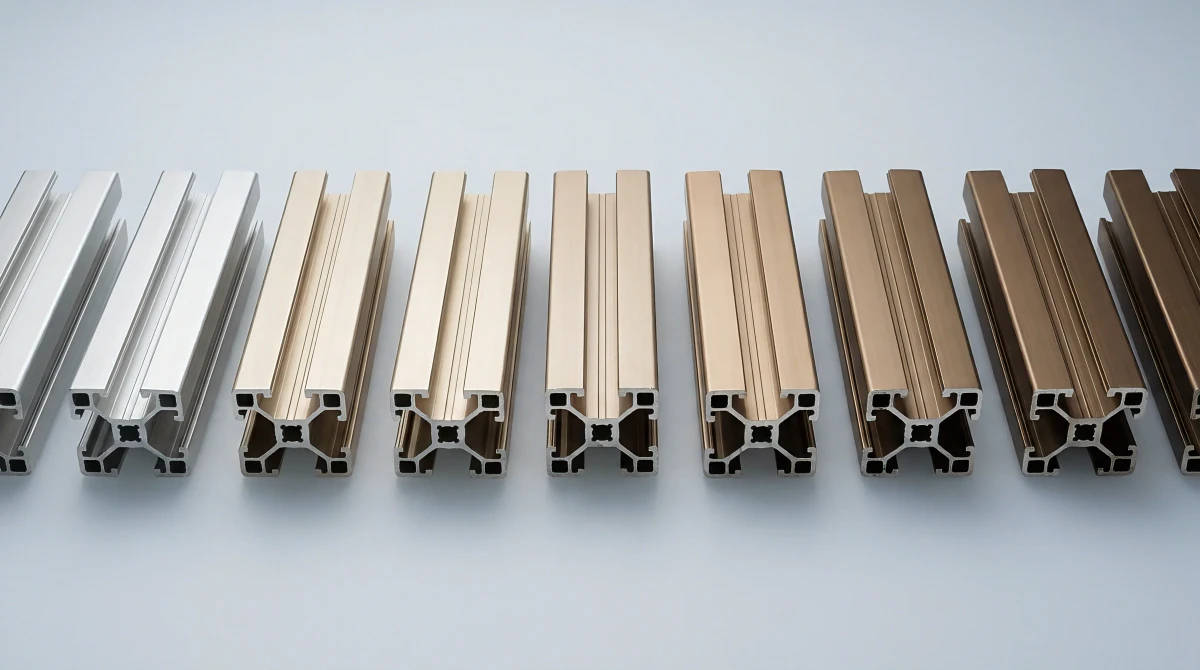
Hydro states that anodizing gives very good corrosion resistance where the pH stays between 4 and 9, while strongly alkaline materials such as lime, cement and gypsum stain and damage it. ISO 7599:2018 states that protection against pitting corrosion increases with coating thickness, and Qualanod’s weathering note finds that protection depends primarily on thickness and is largely independent of sealing quality, with urban exposure removing about 0.2 to 0.4 µm of coating a year. Black pits from contaminated rinse water were the largest anodizing reject class in one Saudi plant’s data.Coated Profiles
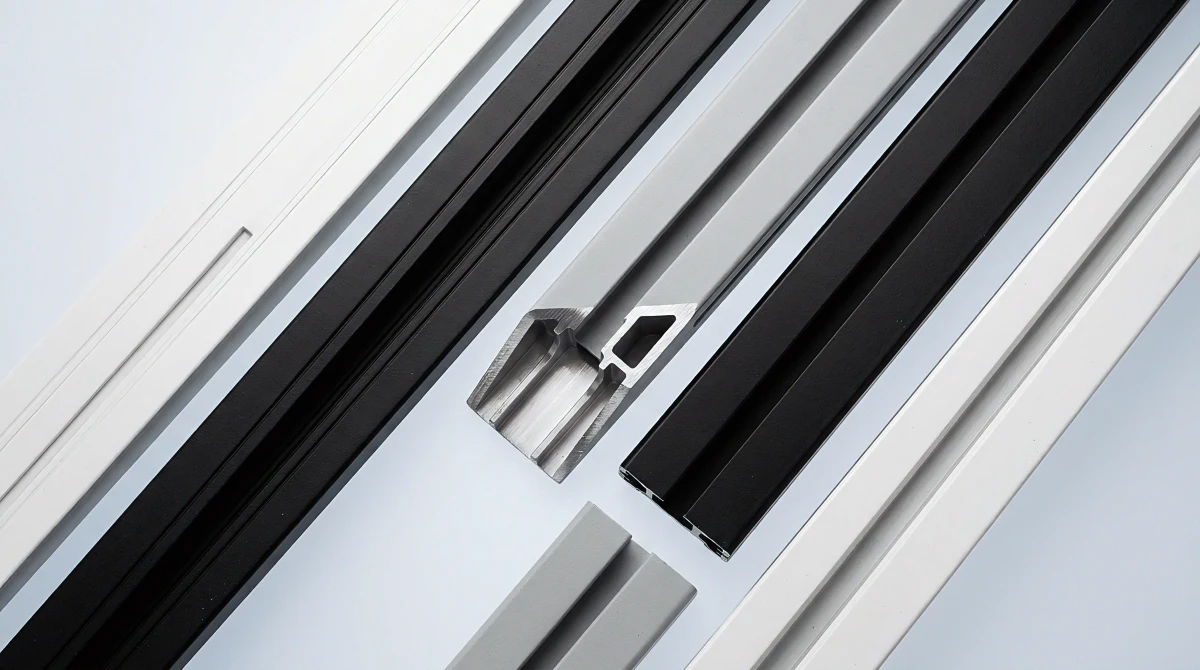
The PCI comparison lists acetic salt spray of 1,000 h for Qualicoat Classes 1 and 2 and 2,000 h for Class 3, and ASTM G85 salt spray of 1,000, 1,500 and 2,000 h for AAMA 2603, 2604 and 2605. Alumil offers pre-anodizing as protection against filiform corrosion near the coast or swimming pools.PVC Processing
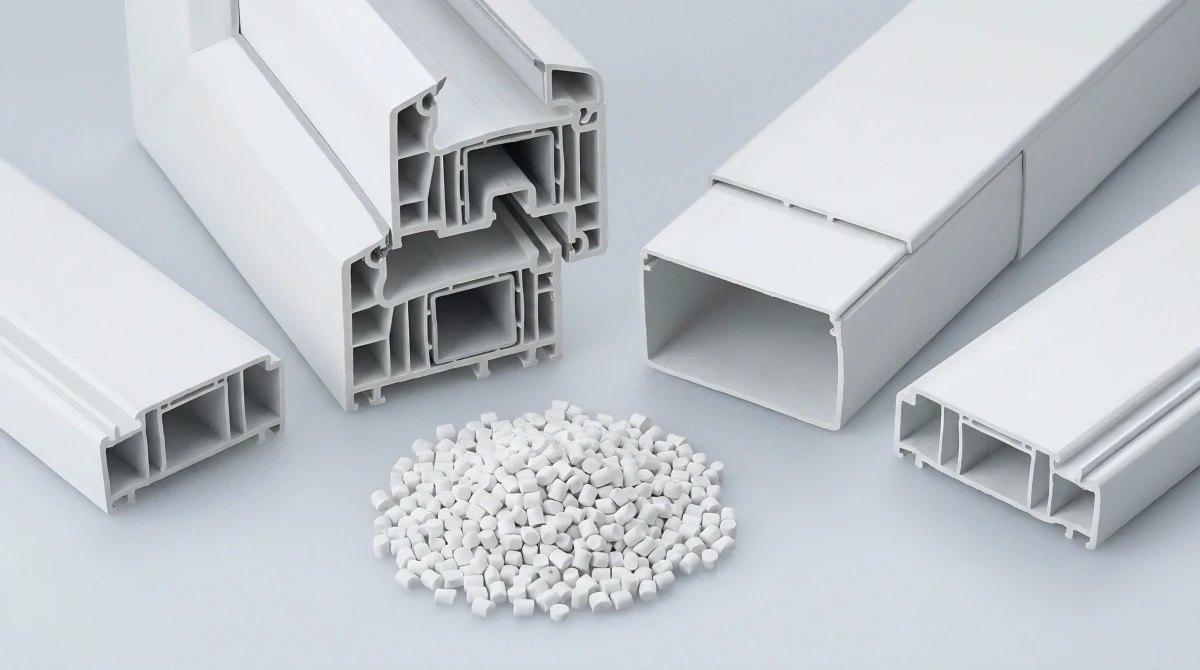
Corrosion also concerns the tools. NETZSCH notes that PVC forms hydrochloric acid when it decomposes, GEON rules out aluminum, brass and copper dies, and Teknor Apex asks for the die to be neutralized at the end of each run.