Trial Run

A trial run is the first extrusion from a new die and its tooling, made to prove the profile against its drawing before production.

Every Trial Run article of the Profile Extrusion Resources, newest first, each written from published standards, research and makers’ data.

Meaning

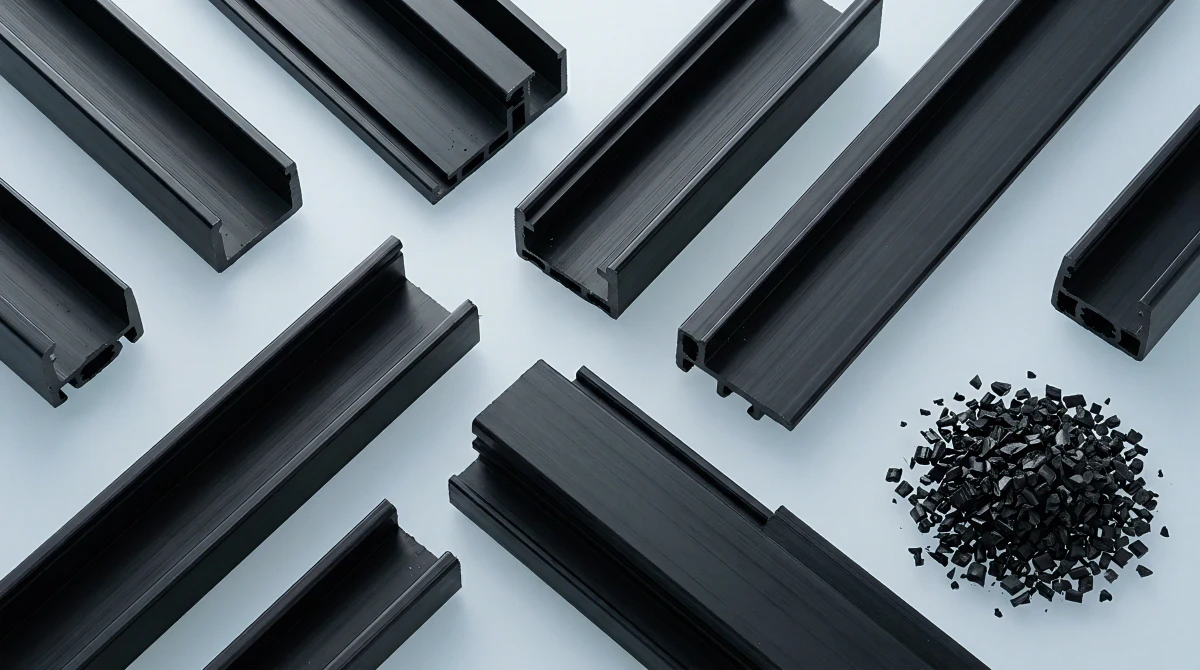
A trial run is the first extrusion from a new die and its tooling, made to prove the profile against its drawing before production. It produces samples for approval and data for any die correction. It also produces scrap, since the line runs until the profile comes into tolerance.

Aluminum Trial

One extruder checks the first extrusion from a new die against the print. A second extruder ships the first samples to the customer to approve. The buyer learns which trial bar the dimensional report is based on, and who signs it off. A first order near 0.5 t usually needs a single die and a single trial.
Read More

Correction

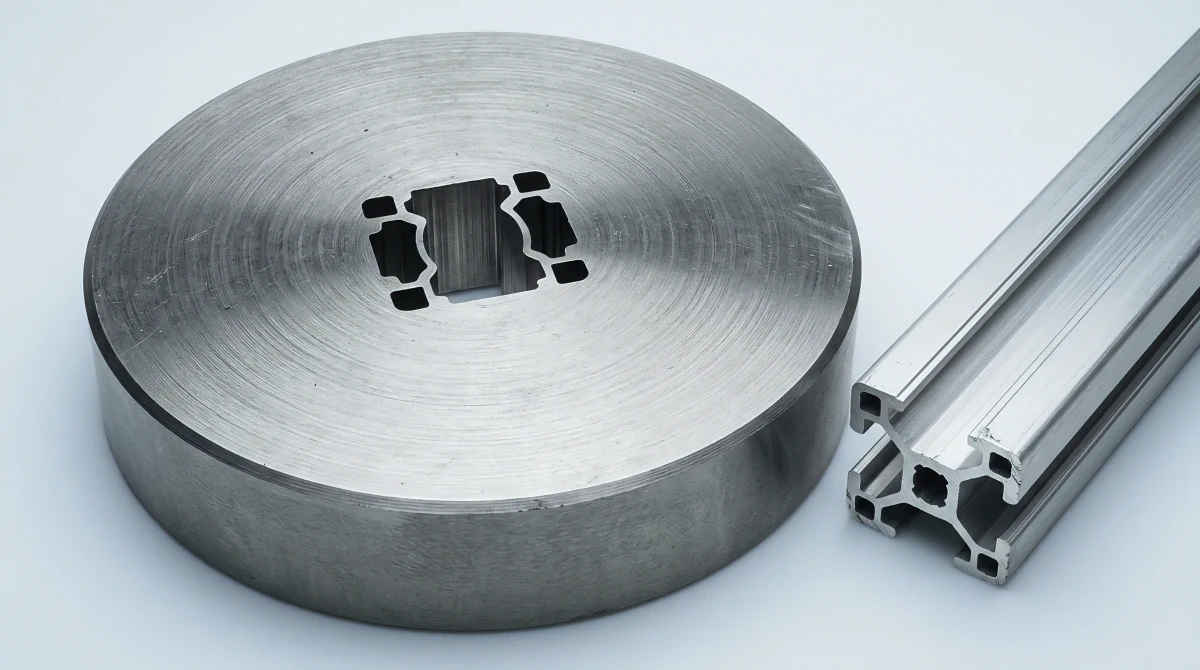
Hydro describes die correction as iterative tuning from trial extrusion data. It aims at agreed tolerance and surface targets. A correction means a visit to the die shop and another trial. A large correction can mean cutting a new die, with a new lead time.

Plastic Trial

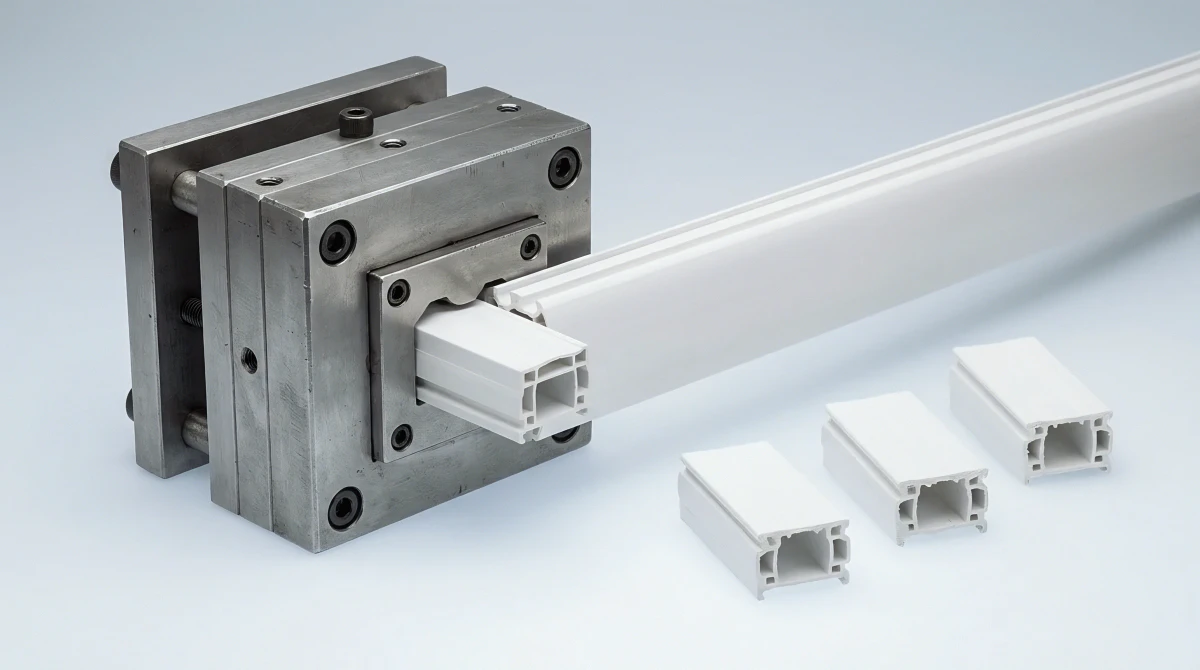
A plastic trial checks the die, the sizing and the puller setting together. A rigid vinyl guide pairs the faults a start-up shows with their causes. Warp points to sizing and cooling, surging to puller and feed, and die lines to the die. How many trials a new plastic die needs is not published, so the buyer asks.

Questions Before It

A trial is a test of the process when its inputs agree. First comes confirmation of the exact resin and grade behind the die design. The sizing method, the rate and puller speed behind the drawdown, and the land length for each wall follow. Without those answers, a trial tests the guesses behind the tooling.
Planning a Plastic Profile Extrusion Run From Die Trial to Regrind

A plastic profile run is a tooling set tied to one resin, a trial that makes scrap, and steady hours that arithmetic on kilograms per hour can size.

What a Plastic Profile Run Is Made OfFour parts make a run: the tooling set, the start-up, the steady production and the changeover at the end. Each has its own tool, its own time and its own scrap, and a buyer who plans a quantity needs to ask about all four.

Aluminum Extrusion Die Life in Kilograms Before the Bearing Wears

Die life is counted in tonnes of aluminum before the bearing wears, so a bridge run usually needs one die and a plan for its trial and correction.

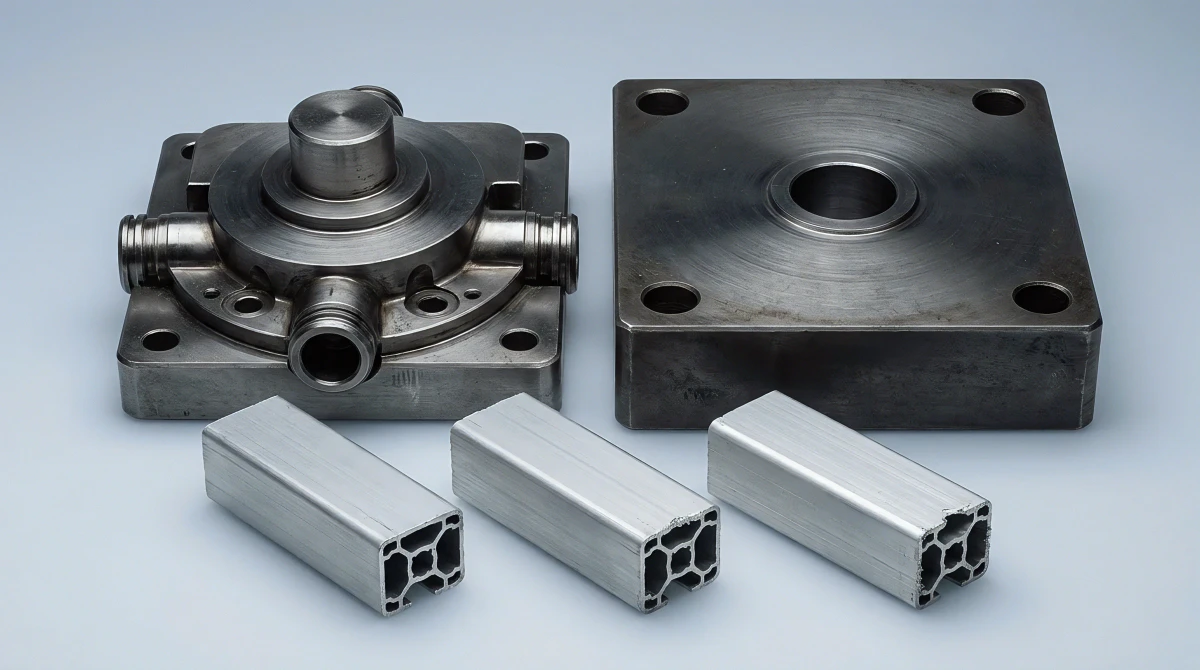
What Wears an Extrusion Die and How FastThe AEC manual explains that the life of an extrusion die is generally set by wear of the bearing, the surface of the die opening at right angles to the die face that controls metal flow and velocity by friction. Because the bearing determines the control and finish of the profile, any deterioration, given the finish required, leads to premature failure of the die.

Plastic Profile Extrusion Line From Die Lip to Cut Length

A profile die only suggests the shape, and the sizer, puller and saw that follow have to hold the size until the plastic is solid.

The Stations of a Plastic Profile Line From Hopper to SawA typical line has five parts: an extruder, a die with its adapter, sizing and cooling equipment, a puller, and a way to cut the profile to length. The same five appear in a rigid vinyl guide from a PVC compound maker.

Send the Section Drawing of Your Profile

Send the 2D drawing and the 3D file, with the quantity and the stage of the project. An engineer replies within 1 working day.

The quote form, the mutual NDA and the private folder for your files are on Protolis Atelier, with Profile Extrusion chosen.

Request a Quote