Protolis Atelier

Every article of the Profile Extrusion Resources, newest first, each written from published standards, research and makers’ data.

The Profile Extrusion Resources is written for the engineers and buyers who order parts made by this process. Each article reads a part from the drawing out, from public standards, published research and makers' data, with AI tools and human review. Its articles sit in five desks: Material, Standard, Tolerance, Operation and Production. Quotes and parts come from Protolis Atelier.

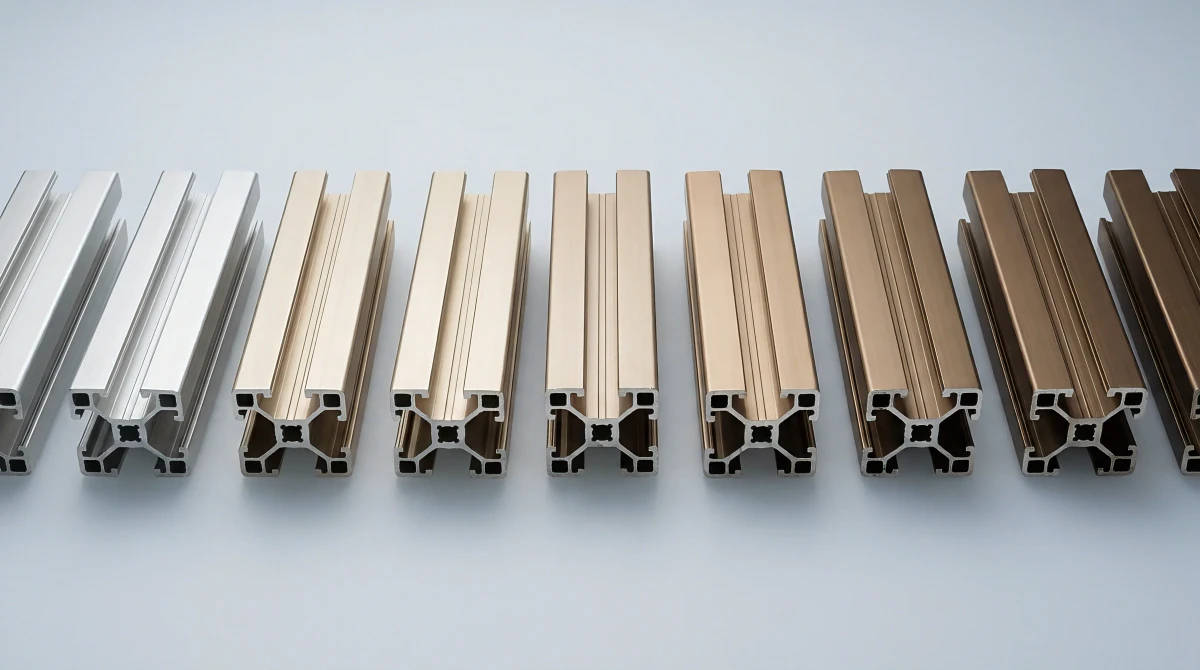
Anodizing Extruded Aluminum Profiles Step by Step

Anodizing an extrusion is a line of tanks, and the rack, etch, bath, color and seal each leave their own mark on the profile.

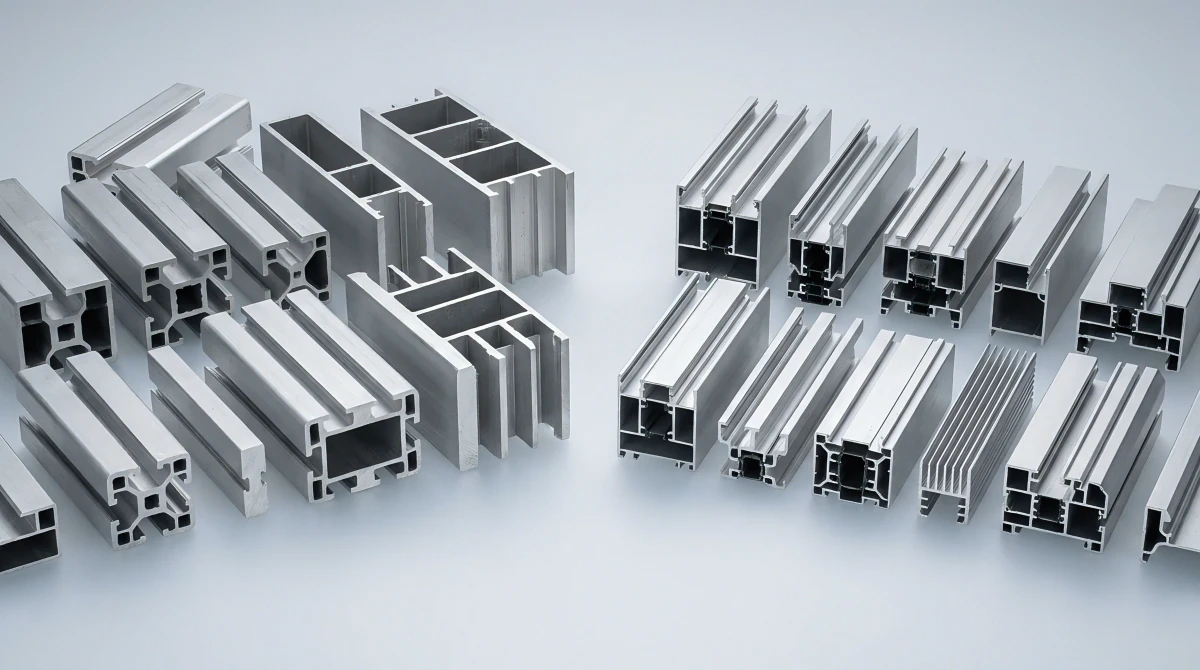
The Anodizing Line From Rack to SealHydro's anodizing brochure for extruded profiles lays out the line in the order the profiles travel. The Aluminum Anodizers Council groups the same work into five stages: cleaning, pretreatment, anodizing, coloring and sealing.

Anodized Film Thickness and Color Tolerance on Extruded Profiles

Specify anodic film as an ISO 7599 class on marked faces, and agree color against limit samples before the first lot is anodized.

How Anodized Film Thickness Is Specified and AcceptedISO 7599:2018, published in Europe as EN ISO 7599:2018 and in Britain as BS EN ISO 7599:2018, lays down the method. Its contents run from the information the customer supplies to the anodizer, through coating thickness, sealing, appearance and color, to a normative annex on interpreting average and local thickness.

Qualicoat and AAMA 2603 to 2605 Coating Specifications for Aluminum Extrusions

Name the Qualicoat class or AAMA tier on the drawing, then fix the approved sample, channel thickness and machining rules that neither standard settles.

What Qualicoat and AAMA 2603, 2604 and 2605 CoverQualicoat is a quality label for coatings on aluminum for architectural use. Its 26th edition, introduced in the document QCT-INTRO-26 valid from 1 January 2026, splits the specifications into three volumes: one for coaters, one for makers of chemical pretreatments and one for powder makers.

EN 755-9 and EN 12020-2 Scope and Editions for Aluminum Extruded Profiles

Name EN 755-9 or EN 12020-2 with its year, because scope, alloys and limits differ by standard and edition.

What EN 755-9 and EN 12020-2 Each CoverEN 755-9 is part 9 of the EN 755 series for extruded rod and bar, tube and profiles. BSI describes BS EN 755-9:2016 as specifying the tolerances on dimensions and form for aluminum and aluminum alloy profiles with a cross-section contained within a circumscribing circle not greater than 800 mm.

TPE and Flexible PVC for Extruded Seals and Gaskets

Specify a seal compound by hardness, stress at a stated strain and direction, and compression set at service heat, not by hardness alone.

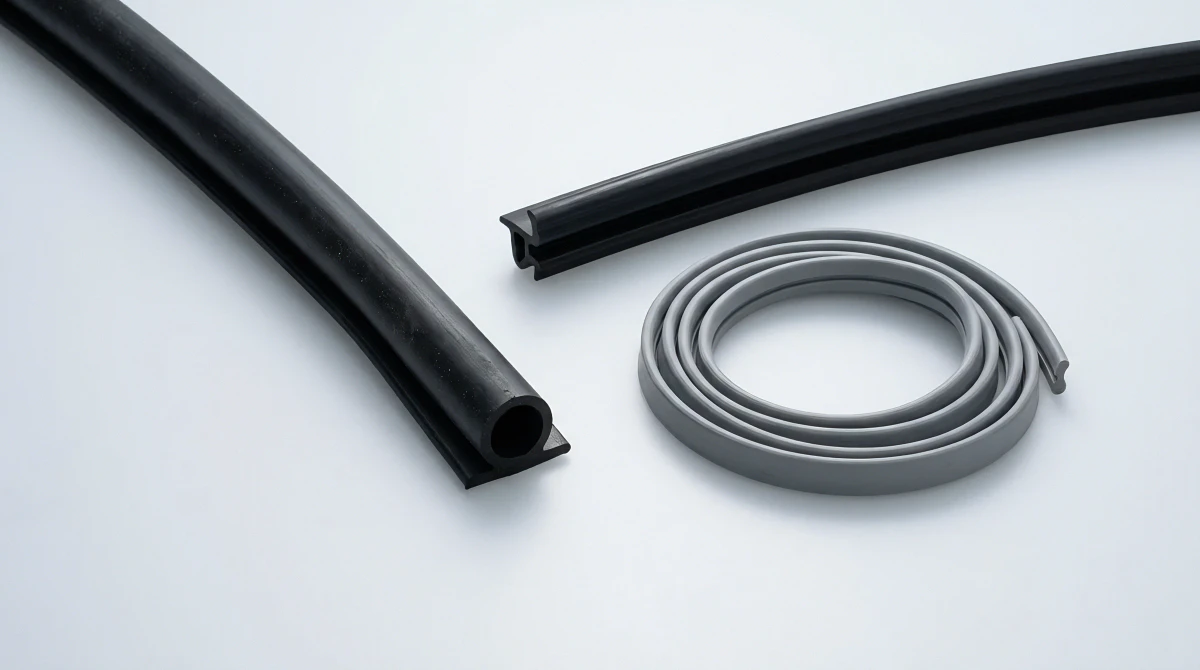
Flexible PVC, TPE-S and TPV for Extruded SealsHEXPOL TPE offers three families for profile extrusion, soft PVC, TPS and TPV, in hardnesses from 20 Shore A to 60 Shore D. Its list of profile uses covers window and door profiles, waterstops, keder profiles, automotive weather seals, train profiles, furniture edges and the door seals of refrigerators and washing machines.

Rigid PVC Compounds for Extruded Profiles

Rigid PVC profiles are stiff and easy to extrude, but their glass transition sets the heat limit, so name service temperature and color with the compound.

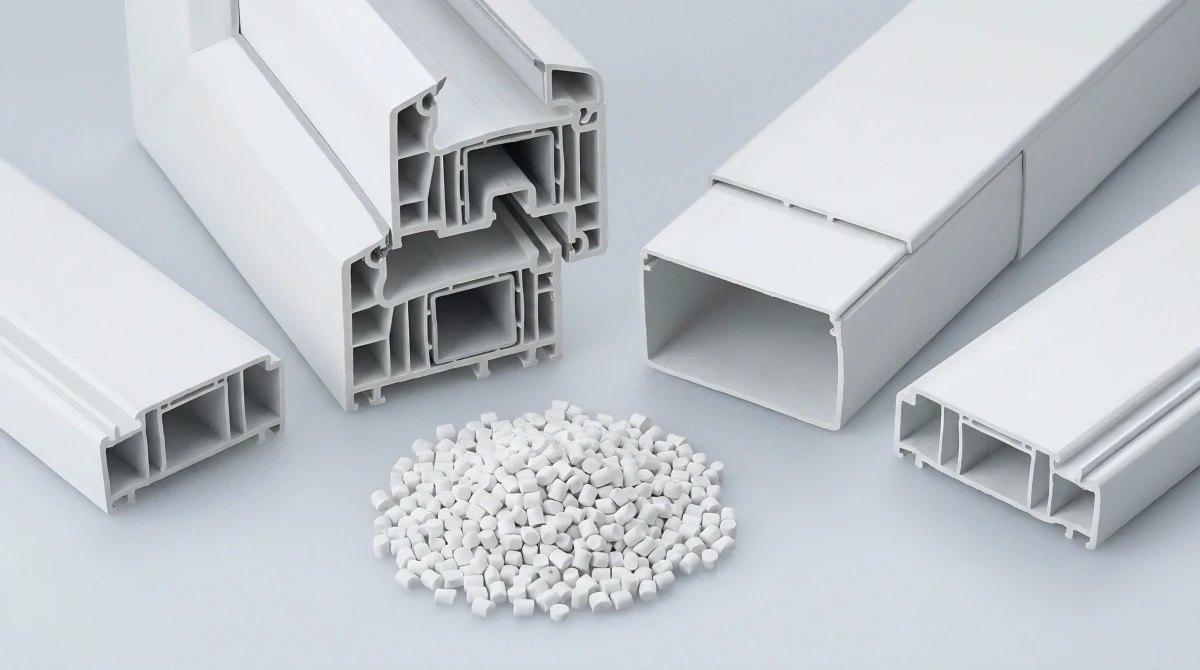
What a Rigid PVC Extrusion Compound ContainsRigid PVC, also written PVC-U for unplasticized, is polyvinyl chloride without plasticizer. It is never extruded as bare resin.

Planning a Plastic Profile Extrusion Run From Die Trial to Regrind

A plastic profile run is a tooling set tied to one resin, a trial that makes scrap, and steady hours that arithmetic on kilograms per hour can size.

What a Plastic Profile Run Is Made OfFour parts make a run: the tooling set, the start-up, the steady production and the changeover at the end. Each has its own tool, its own time and its own scrap, and a buyer who plans a quantity needs to ask about all four.

Aluminum Extrusion Die Life in Kilograms Before the Bearing Wears

Die life is counted in tonnes of aluminum before the bearing wears, so a bridge run usually needs one die and a plan for its trial and correction.

What Wears an Extrusion Die and How FastThe AEC manual explains that the life of an extrusion die is generally set by wear of the bearing, the surface of the die opening at right angles to the die face that controls metal flow and velocity by friction. Because the bearing determines the control and finish of the profile, any deterioration, given the finish required, leads to premature failure of the die.

How Much of an Aluminum Billet Becomes Shipped Profile

Order weight, butt, stretcher ends and rejects decide how many billets a small aluminum extrusion run takes and what the buyer receives.

The Yield Stack From Billet to Shipped LengthA billet is heated, pushed through a die, quenched, stretched, sawn and aged. Metal leaves the stream at three points, and each has a figure in the published sources.

Plastic Profile Extrusion Line From Die Lip to Cut Length

A profile die only suggests the shape, and the sizer, puller and saw that follow have to hold the size until the plastic is solid.

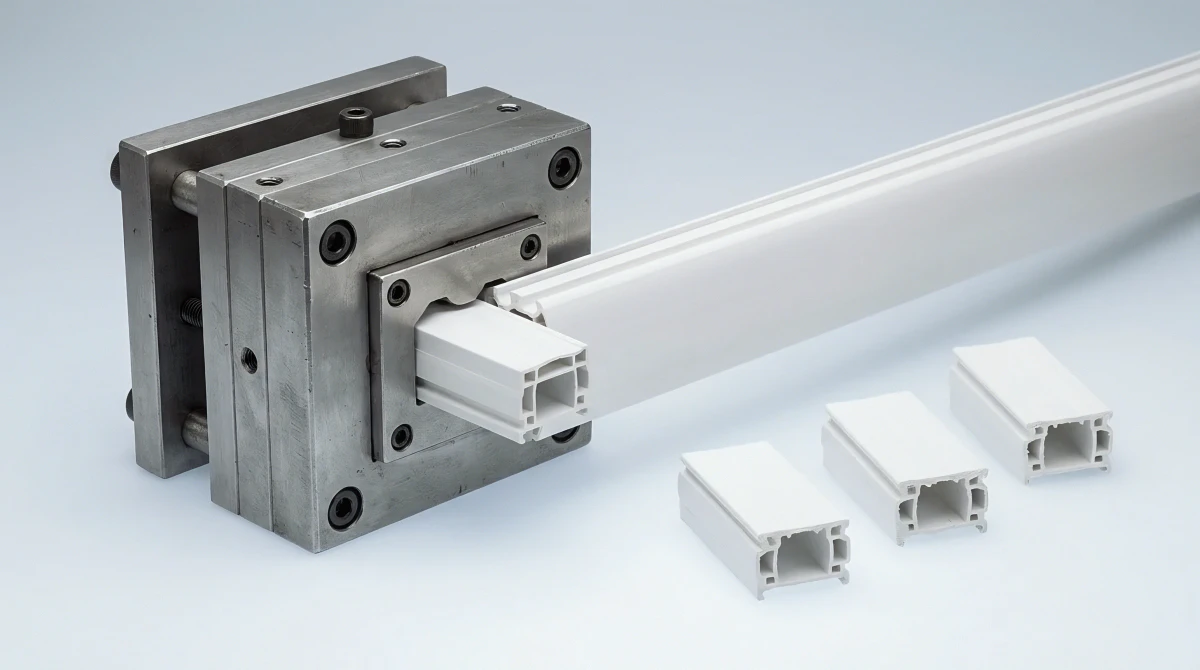
The Stations of a Plastic Profile Line From Hopper to SawA typical line has five parts: an extruder, a die with its adapter, sizing and cooling equipment, a puller, and a way to cut the profile to length. The same five appear in a rigid vinyl guide from a PVC compound maker.

Cutting and Machining Extruded Aluminum Lengths

A press saw makes bars into shippable lengths, and a precision saw with the right blade, clamps and datums makes the length the drawing asks for.

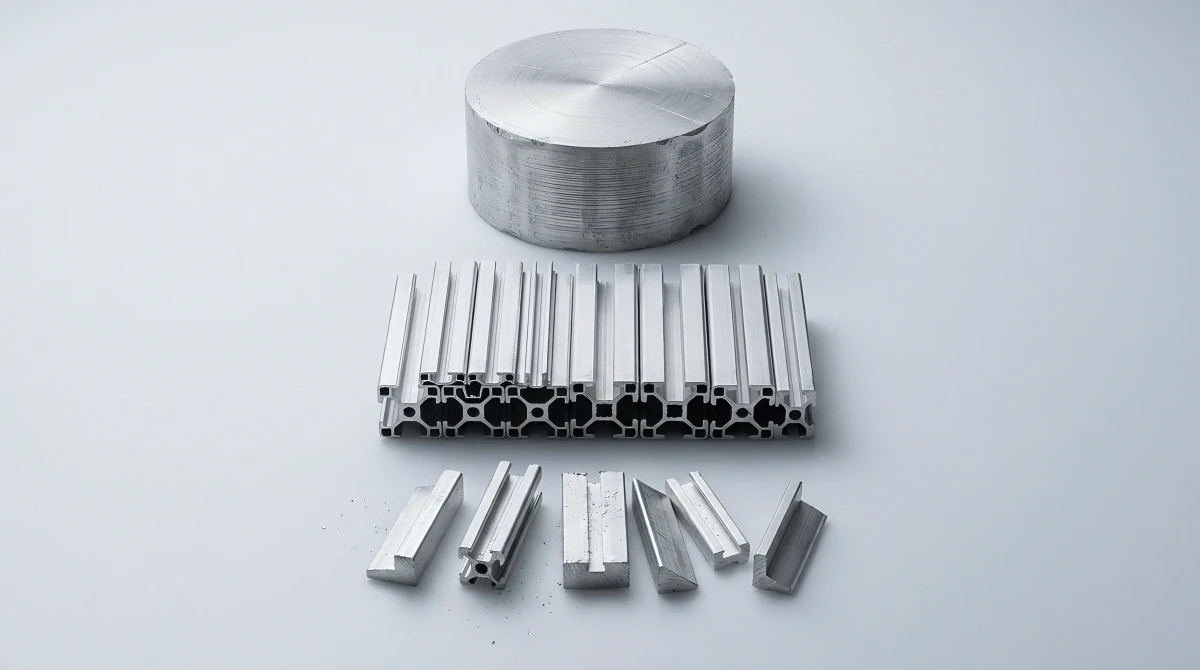
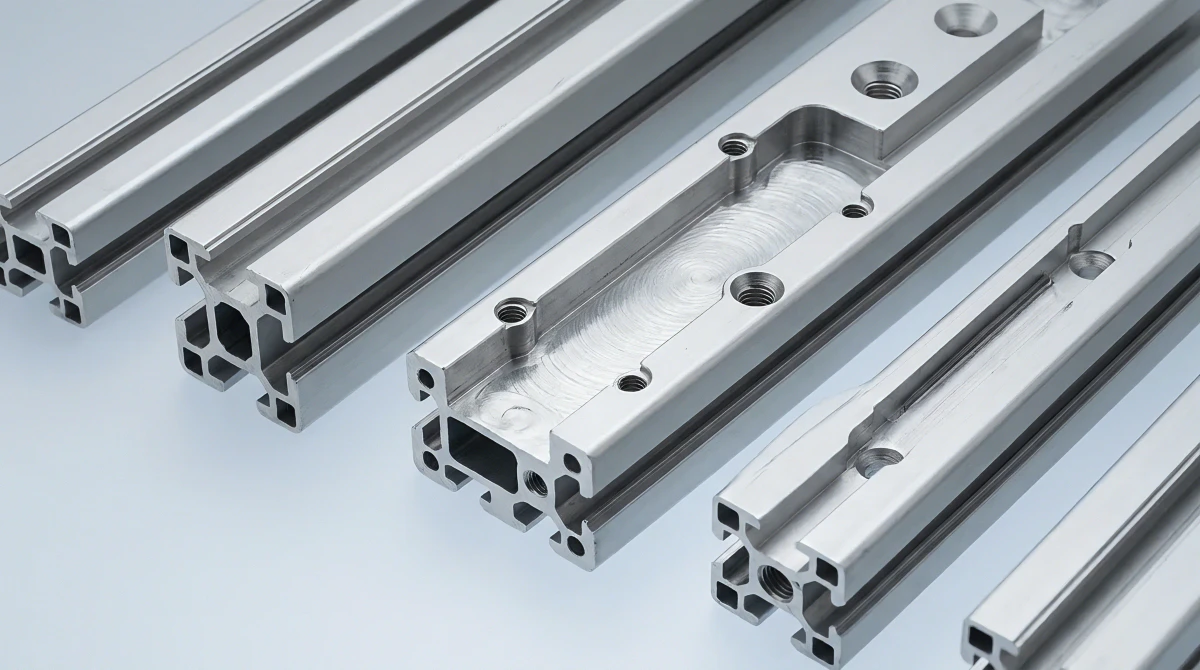
The Order of Operations From Bar to Cut LengthCutting comes first in almost any fabrication plan, with deburring and then drilling, punching or machining after it. A burr left from the cut sits where the clamp has to hold the piece for the next step, so the order carries weight.

Aluminum Extrusion Process From Billet to Aged Profile

The press pushes a softened billet through a die, and the quench, stretch and oven that follow decide whether the bar is straight and strong.

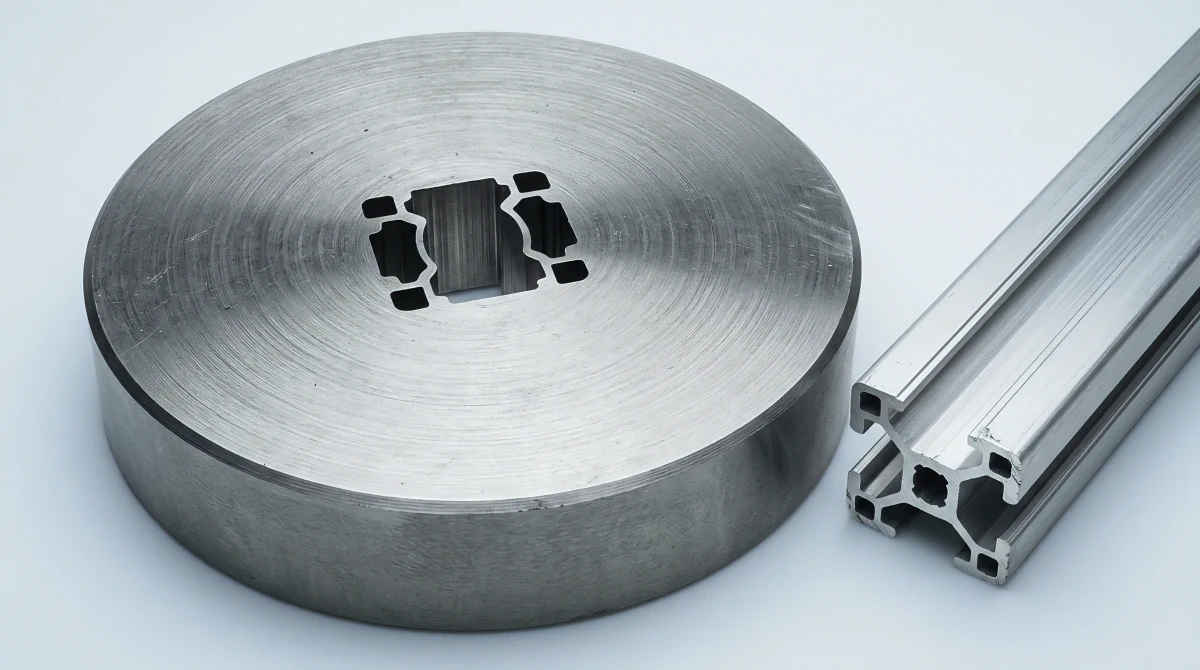
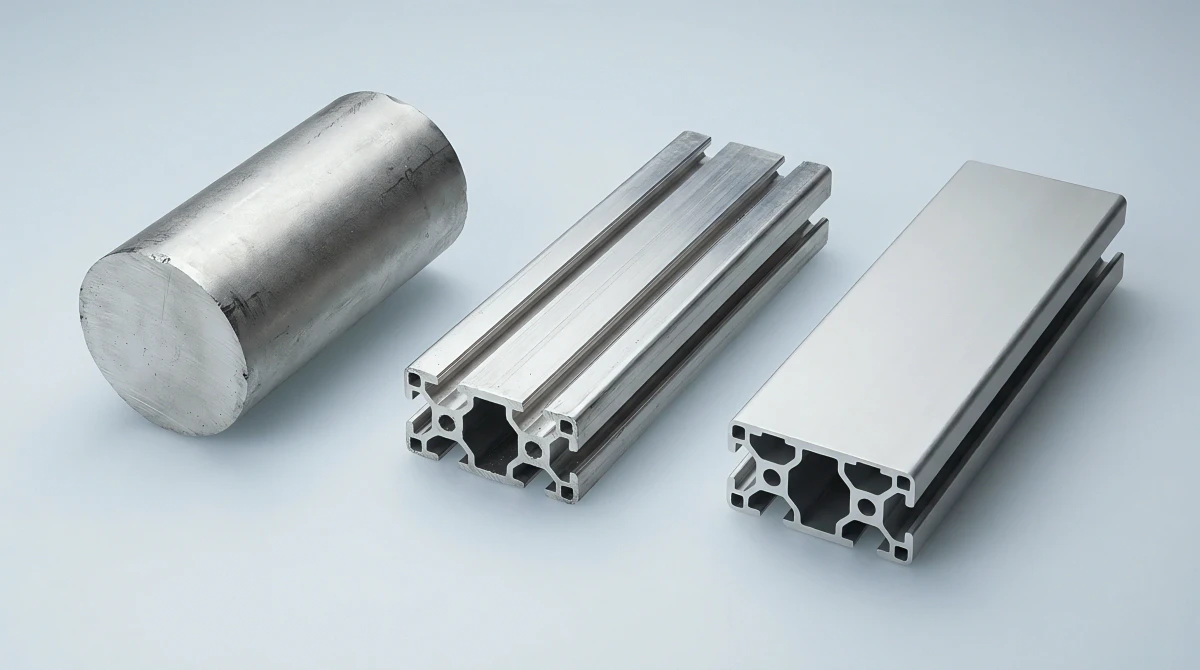
The Steps of Aluminum Extrusion in the Order the Metal Meets ThemSeven operations turn a cast billet into a profile ready for finishing. A billet is a solid cylinder of cast aluminum, and it never melts on the way.

Wall Thickness and Cross-Section Tolerance of Extruded Plastic Profiles

Read the nominal size row for each dimension, then check the fit as a sum of limits, not a single one.

Cross-Section Dimension Limits by Nominal SizeBWF's quality, tolerance and processing guidelines of 20 November 2024 apply limit values according to DIN 16941, series 2A and 2B, unless the drawing says otherwise. The general tolerances apply at any point of the profile cross-section, seen at right angles to the extrusion direction.

Cut Length and Saw Cut Tolerance of Extruded Profiles

A length tolerance belongs to a cutting step and a measuring method, so name both with the number.

Saw Tolerances for Plastic Profile LengthsBWF's guidelines of 20 November 2024 give saw tolerances for polycarbonate and PMMA profiles in two cases, offline cut and inline cut. Each is tabulated against the length, in millimeters, and each is tied to a method: lengths up to 4,500 mm are measured on a measuring table that checks length and angle, and longer ones with a measuring tape.

Straightness, Twist and Flatness Tolerance of Aluminum Extrusions

Form limits scale with length and width, so work them out for the real length before accepting a drawing.

The Straightness Limit and Its FormulaTable 11.6 of Aluminum Standards and Data, in the May 2009 reprint, gives the allowable deviation D from straight in inches. For profiles the limit is a factor multiplied by the measured length in feet, and it applies in total length or in any measured segment of one foot or more of the total length.

DIN 16941 General Tolerances for Extruded Plastic Profiles

Cite the edition and the series on the drawing, then add what the general tolerances leave open.

What DIN 16941 CoversThe current edition is DIN 16941:2012-11, titled Thermoplastics extruded profiles, General tolerances of size, form and orientation, with the German title Extrudierte Profile aus thermoplastischen Kunststoffen, Allgemeintoleranzen für Maße, Form und Lage. It is published in German, with an English translation sold separately, and it replaces DIN 16941:1986-05.

ASTM B221 for Extruded Aluminum Profiles Read for the Buyer

The specification certifies alloy, temper and tensile behavior, so the drawing still has to carry geometry, units and thickness.

What ASTM B221 CoversASTM's catalog page for B221-21, last updated October 29, 2021, describes the standard as a specification for aluminum and aluminum-alloy extruded bars, rods, wire, profiles and tubes. It covers the alloys and tempers listed in its Table 2 and requires the products to be made by hot extrusion or a similar process.

ANSI H35.2 Standard Tolerances for Aluminum Extrusions

Name the edition and the class on the drawing, because the standard column governs when nothing is written.

What ANSI H35.2 Covers and How to Cite ItThe title is American National Standard Dimensional Tolerances for Aluminum Mill Products, and the Aluminum Association is its secretariat. Opened for this piece was ANSI H35.2-2017, approved May 12, 2017 as a revision of the 2013 edition, in the December 2017 errata issue.

Polycarbonate Extruded Profile Properties and What the Datasheet Leaves Out

Read the resin sheet for viscosity, heat and growth, then ask what it leaves out about the profile itself.

What a Polycarbonate Datasheet States for Profile GradesTwo documents are read side by side here. SABIC's datasheet for LEXAN 135 resin describes the highest-viscosity linear polycarbonate powder in its range, and it names profile extrusion as the processing method.

6063 Aluminum Extrusion Properties in T5 and T6

Read the temper, the thickest wall and the word minimum before trusting any strength figure for this alloy.

What EN AW-6063 Guarantees in T4, T5, T6 and T66Hydro's datasheet for EN AW-6063 (alloy designation AlMg0.7Si) lists minimum mechanical properties taken from EN 755-2:2016 for extruded profile. The values are minimums, and each row is tied to a wall thickness band.

Send the Section Drawing of Your Profile

Send the 2D drawing and the 3D file, with the quantity and the stage of the project. An engineer replies within 1 working day.

The quote form, the mutual NDA and the private folder for your files are on Protolis Atelier, with Profile Extrusion chosen.

Request a Quote